
Lars von Trier’s Medea dives into an ocean of despair only to resurge in an emotional tsunami, capable of rendering the viewer speechless
by Andy Stoeva, during the MIOB LAB of Cultural, Creative and Festival Journalism at the European Film Forum Scanorama
O Medea, in what a hopeless sea of misery heaven hath plunged thee…
– Euripides, Medea
This year’s Scanorama program submerges us into Medea (1988), a lesser-known television film by Lars von Trier that is not necessarily a must-see on the big screen but a must-see nonetheless.
It is a rare opportunity to be able to watch such partly forgotten made-for-TV masterpieces, so the festival's retrospective – which also includes films by Ingmar Bergman, Jean-Luc Godard, Agnès Varda and Rainer Werner Fassbinder – comes as a welcome surprise. Von Trier’s 1988 take on the eponymous mythological figure addresses themes of womanhood, sacrifice, pride and desire in a somewhat loose retelling of the legend.
Trier pays homage to Danish filmmaker Carl Theodor Dreyer’s script (based on Euripides’ play of the same title), specifically addressing this origin in the opening credits. While von Trier uses Dreyer’s text as a starting point, he develops his own interpretation of the Greek classic, centered on the story of Medea (Kirsten Olesen). Set immediately after Jason (Udo Kier) has abandoned her to marry Glauce (Ludmilla Glinska), daughter of King Creon (Henning Jensen), the film chronicles Medea’s revenge after she hears of her banishment from Corinth.
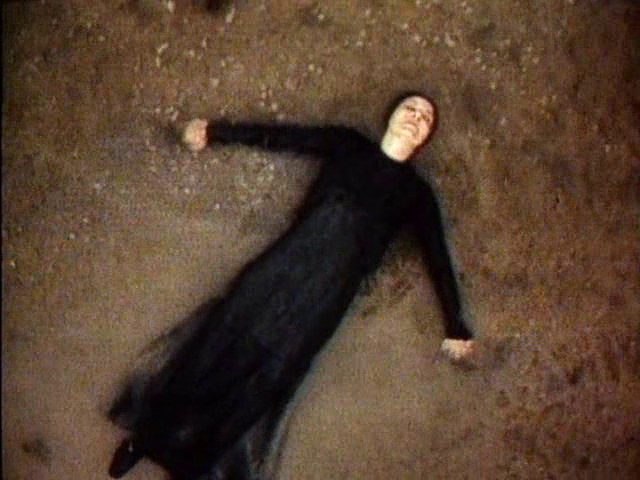
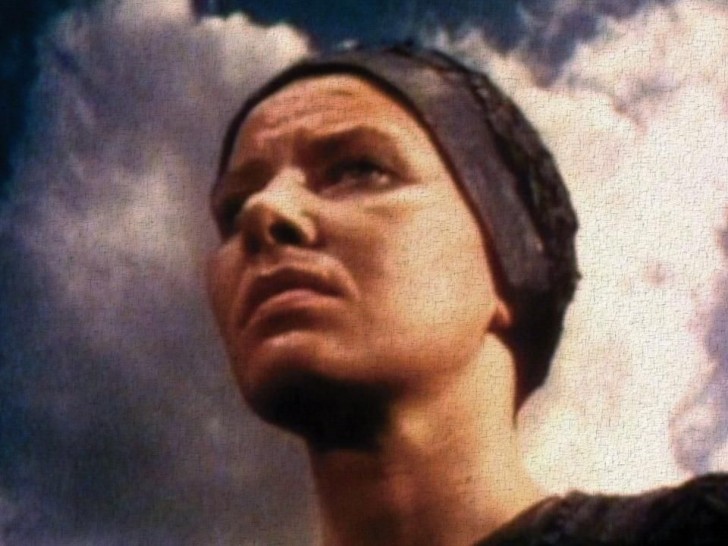
The result is an eerie tale of love and betrayal, overflowing with water metaphors and delivered through a 77-minute delirious dream, at times visually reminiscent of Tarkovsky’s Mirror. Lighting and color make a considerable contribution to the artistic impact of the film, alternating between cold and warm and adding a certain metaphorical implication to the setting, dialogue lines and characters’ relationships.
The director leaves us room to breathe, giving us time to enjoy many of the images, much like contemplating a painting. In both the visuals and the sound design there is an occasional deployment of distortion and exaggeration. The frequent use of green-screen effects gives Von Trier and cinematographer Sejr Brockmann room for experimentation with size and dimension.
An example of this approach is when Medea delivers one of the most impactful lines in the film: “Why must women bear so much, wordlessly submissive in body and deed?” We can see her two children sleeping in the background, appearing much larger than the main character herself – thus foreshadowing the tragic ending.
Moreover, the dialogue level often does not correspond to the distance and positioning of characters, animals and objects. Von Trier intentionally accentuates only what is important to the story in order to convey this ominous aura of the film.
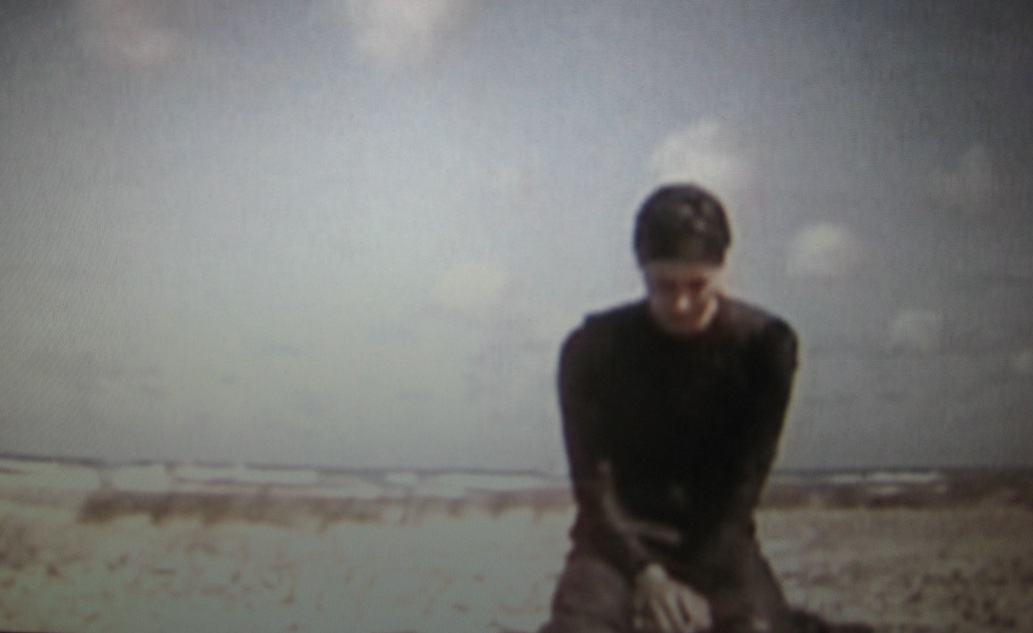
The inevitably grim finale leaves the viewer gasping for air, drowning in suspense despite the familiarity of the ancient myth. The tragedy is equally mesmerizing and devastating – much like the protagonist we are left on the shore, waiting for the tide to turn and take us to a safer place. Nevertheless, we find ourselves reluctant to let go of Medea’s masochistically enjoyable feeling of unease.