
Scanorama's retrospective this year was dedicated to films made for TV, all united by their theatricality.
by Gijs Suy, during the MIOB LAB of Cultural, Creative and Festival Journalism at the European Film Forum Scanorama
It was about halfway through watching Rainer Werner Fassbinder’s made for TV epic World on a Wire (1973) in Vilnius' Forum Cinemas Vingis that I was reminded of binging another TV milestone of perhaps even grander allure — the American hit series Mad Men (2007-2015). There are many resemblances between the two that struck me, such as their fugitive protagonists straight out of Hitchcockian spy thrillers.
Most notable however are the giant glass offices in which the characters spend most of their time — simultaneously futuristic and nostalgic. Mad Men’s sets closely mimic 1960’s New York City, but the production design of World on a Wire has a more timeless feel. As in other Fassbinder films, the sets are often so baroque that the characters seem to walk around in some theatrical landscape, almost completely detached from any form of realism.
This theatricality in TV films goes much broader than Fassbinder and is key to many such works made for the medium in the late 20th century. Scanorama bundled seven of those films (including World on a Wire) in their 2023 retrospective, with Ingmar Bergman’s The Rite (1969) being the oldest and Christian Petzold’s Cuba Libre (1996) the most recent.
Dmitrij Gluščevskij, programme coordinator of Scanorama, joined me for a chat in the Forum Cinema Vingis to explain the choices that led to this unusual selection of films. “Our current retrospective about TV and cinema actually derived from a retrospective we did last year, about the relationship between film and theatre, for which we mostly showed cinematic adaptations of plays,” Gluščevskij explained.
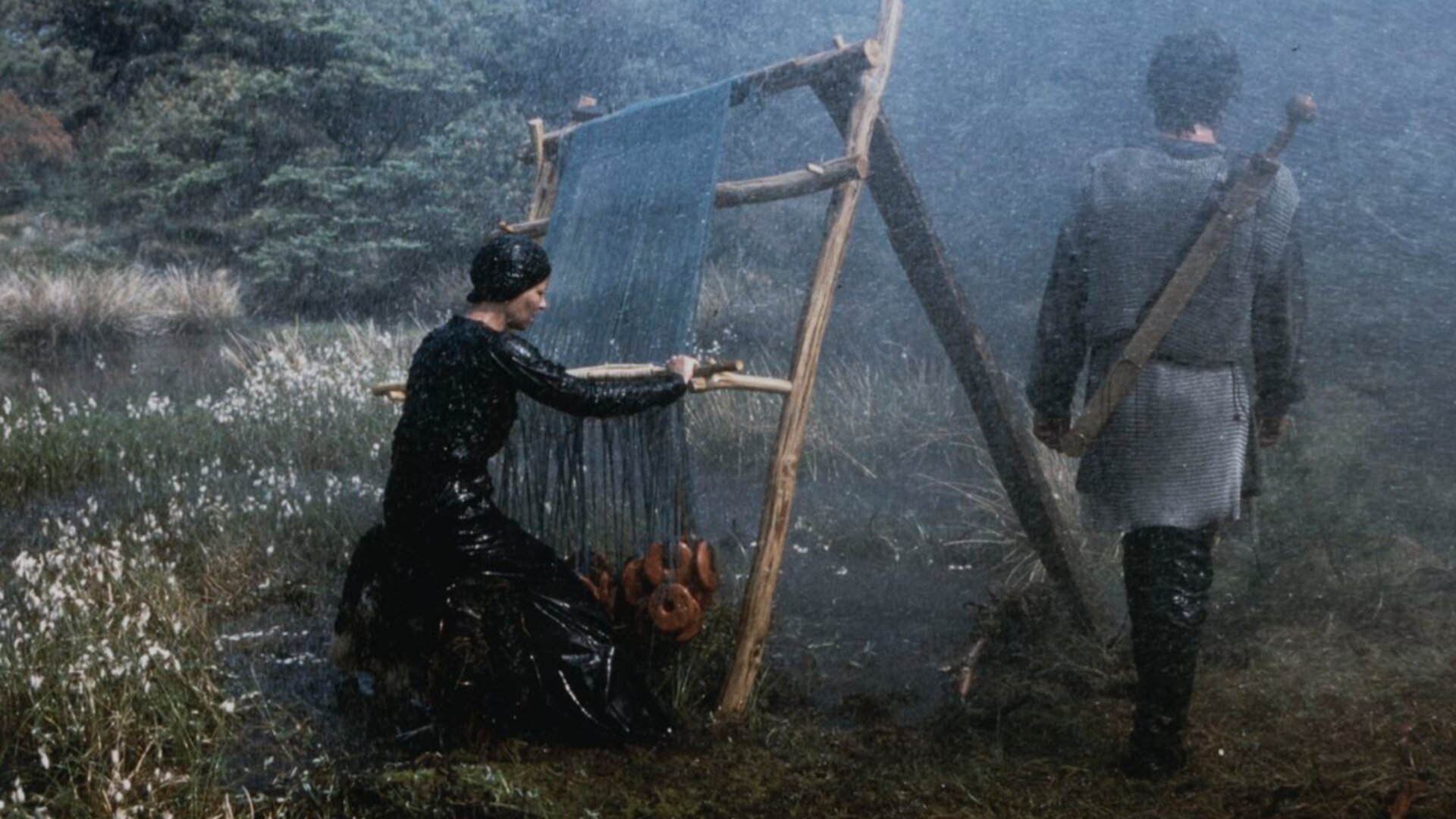
“Lars von Trier’s Medea (1988), included in our current programme, serves as a link between them," he went on. " I was irritated how a 'comprehensive' retrospective of von Trier’s feature films in Lithuania didn’t include this film, because it was comprised only of his recently restored titles. And Medea obviously wasn’t a part of that, because it was made for TV, and its rights would present a challenge. So for our programme on theatre we wanted to show people sometimes you have to get off the beaten track. And with Medea in mind, this year’s retrospective feels very logical, because it’s once again about cinema and something it’s often compared to [i.e. TV]."
The programme shows the very diverse ways in which the selected directors used the medium of TV. “The Rite for instance”, said Gluščevskij, “was an attempt by Bergman to do a simpler version of film production. Because if he wanted to make a theatrical film for cinemas, it would have become an enormous production. Whereas TV was much smaller at that time, and the scope of the film could thus be contained.
“World on a Wire is a completely different story, because Fassbinder was known for his commercial skills and getting funding from all kinds of sources. And when he discovered there was money in TV, he decided to take the leap, because he wanted to make as many films as possible. So every director in the programme approached TV on their own terms.“
With the rise of streaming services, the difference between cinema and small screen productions is rapidly becoming more vague than ever. “Streaming services have become part of the festival circuit, something TV wasn’t part of yet in the late 20th century”, noted Gluščevskij. “So nowadays films made for the small screen look pretty much the same as films shown in the cinema. In our programme it’s often quite obvious that the films were made for TV. They all use the language of television, but in an interesting way. And I think that’s very much related to the theatricality that’s inherent to this retrospective.”
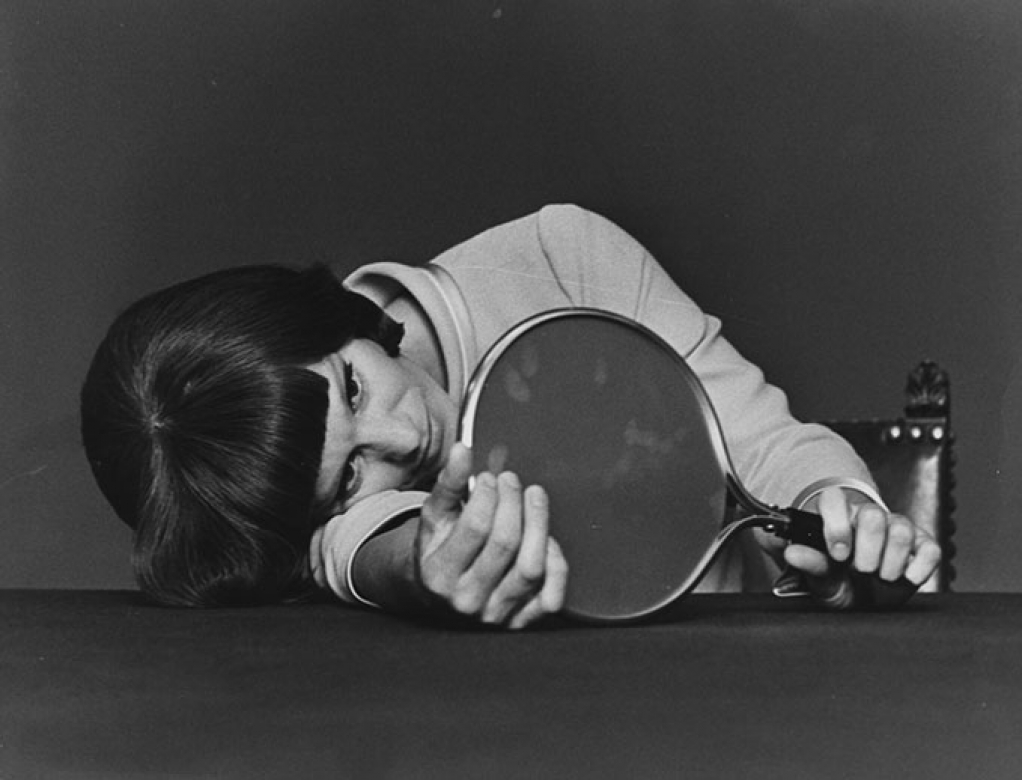
I kept all of this in mind when I went to see The Rite in a small, cosy screening room at Forum Cinemas Vingis. The cinematography by Sven Nykvist was so captivating I wasn’t even bothered to read the subtitles. The unusually ‘flat’ compositions compress the action in the film and somehow made me think of the deliberately anti-cinematic framings of Andy Warhol’s films, even though Bergman and Nykvist are obviously less contrarian to the aesthetics of European art cinema. What unites them with Warhol is that they both managed to find a visual style that works very well on a small screen.
Watching the film left me jealous of the Swedish TV audience in 1969, who got to see it on their huge televisions with tiny screens. But simultaneously I realised I got to experience another form of theatricality that exists outside of the film — the presence of Lithuanian strangers all around me shuffling in their seats. As I felt them gazing in awe or in discomfort at the screen, my own reaction to the film was amplified.... which is ultimately the reason I think it will stick with me for the years to come.
Photos:
Rainer Werner Fassbinder, World on a Wire (1973)
Ingmar Bergman,The Rite (1969)
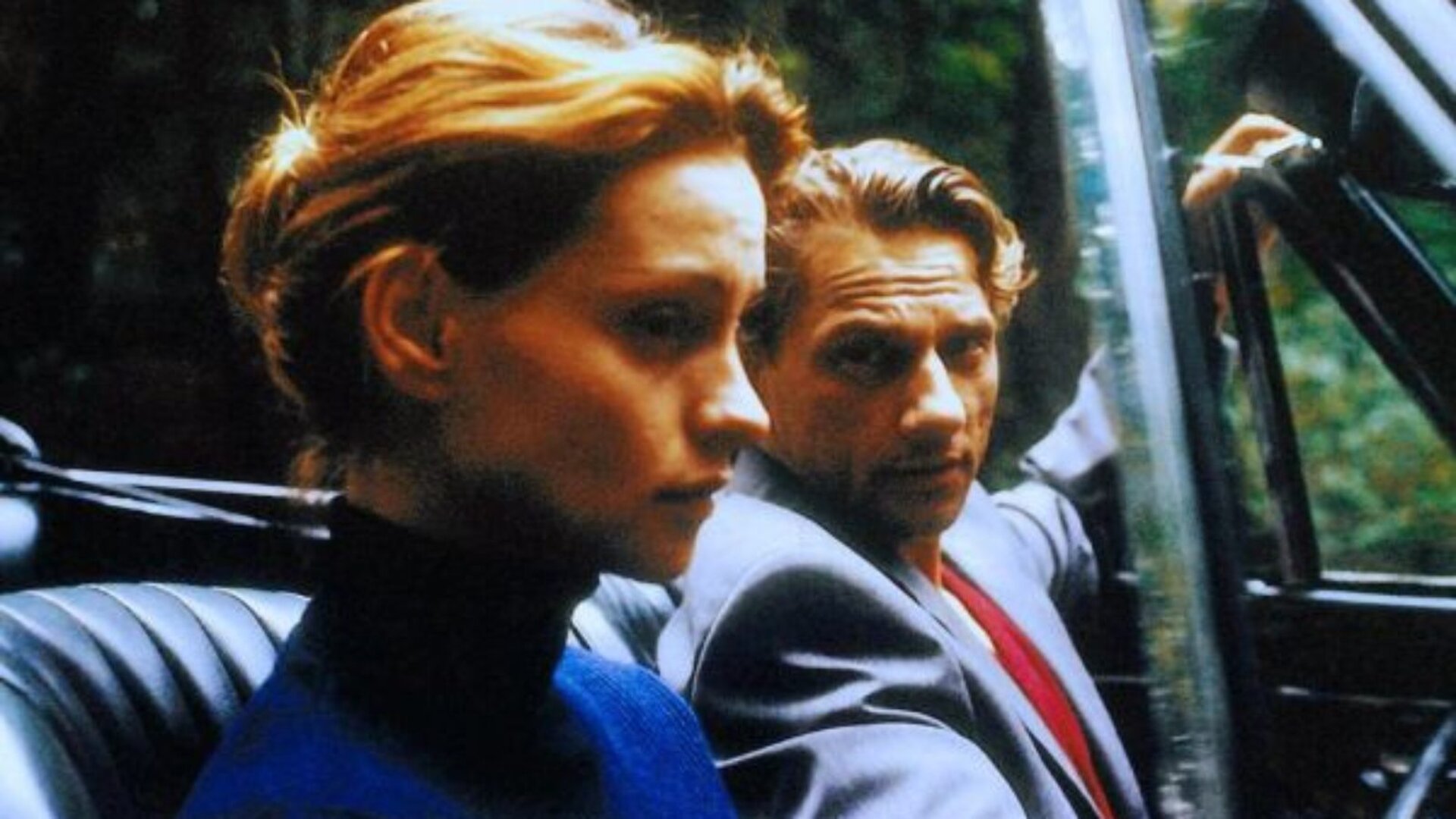
Christian Petzold, Cuba Libre (1996)
Lars von Trier, Medea (1988)