
by Lucija Furac, during the MIOB LAB of Cultural, Creative and Festival Journalism at the European Film Forum Scanorama
What are modernization and land tenure when compared with nature's energy flows and mechanisms of reproduction? The question underlies Shalini Adnani's impressive third short fictional film White Ant (2023) shot on 16mm. Herself of Indian origin, born and raised in Chile and now London-based, the writer-director has woven a melancholic story about belonging and homecoming.
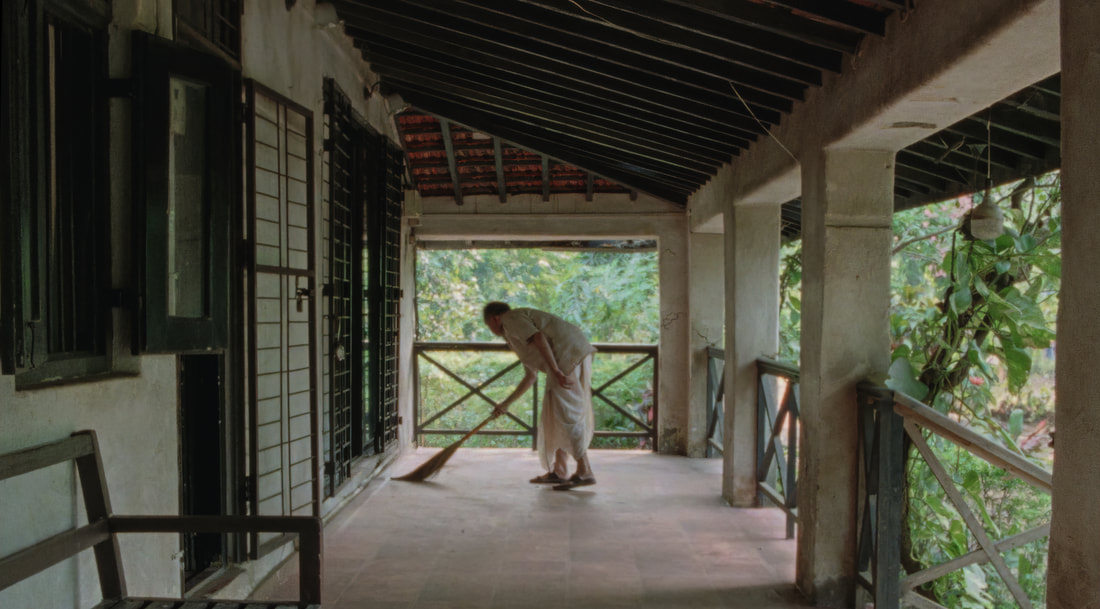
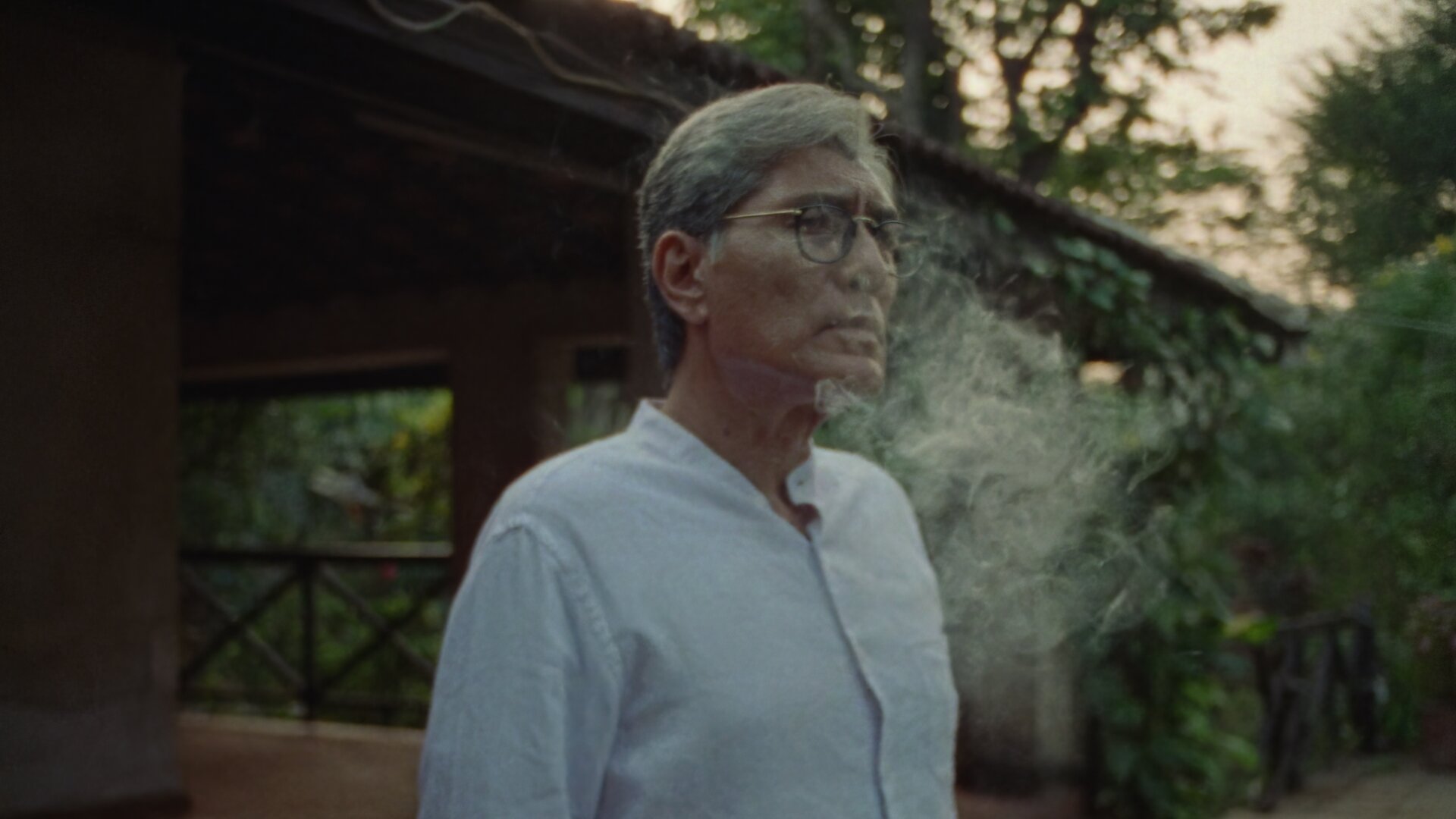
The premise is simple but the revealed state of affairs less so. After the death of his father, middle-aged Asish (Denzil Smith) visits his family home in rural India in the hope of selling it, only to find it infested with insects. The stubborn little ants are well hidden inside the timber, so a naïve eye — such as Asish's — would easily overlook the danger they pose.
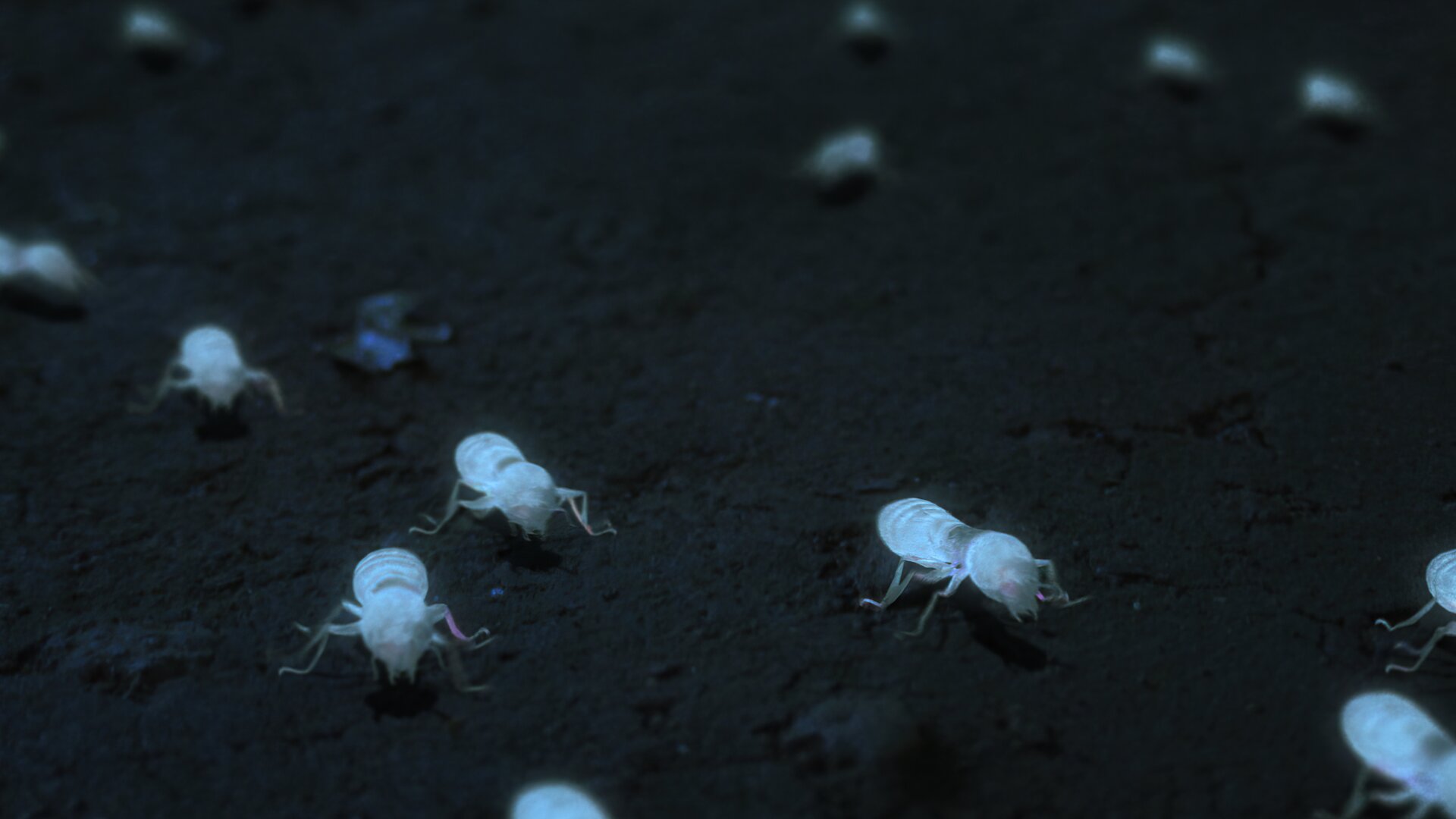
They talk their own Tok-Tokkie, as the termite inspector calls the sounds they produce, and gather in swarms in a nearby meadow at night. Asish catches a glimpse of them one afternoon, or so it appears, as they buzz in an iridescent violet glow outside the house. It must be a dream, however, just like the images of the ants’ movement inside the timber's wormholes. In the depth of the darkness, they shine in vibrant white light, in Brian King's disquieting computer-generated animation.
Adnani skillfully balances the tangible and the metaphysical, evoking notions of nostalgia, loss and man’s ultimate inability to conquer nature to its last degree. In the audience’s mind and eyes, the ants may become either a symbol or incontestable physical proof of impermanence. Regardless, White Ant delivers moments of fascinating, lush imagery worthy of witnessing on the big screen.