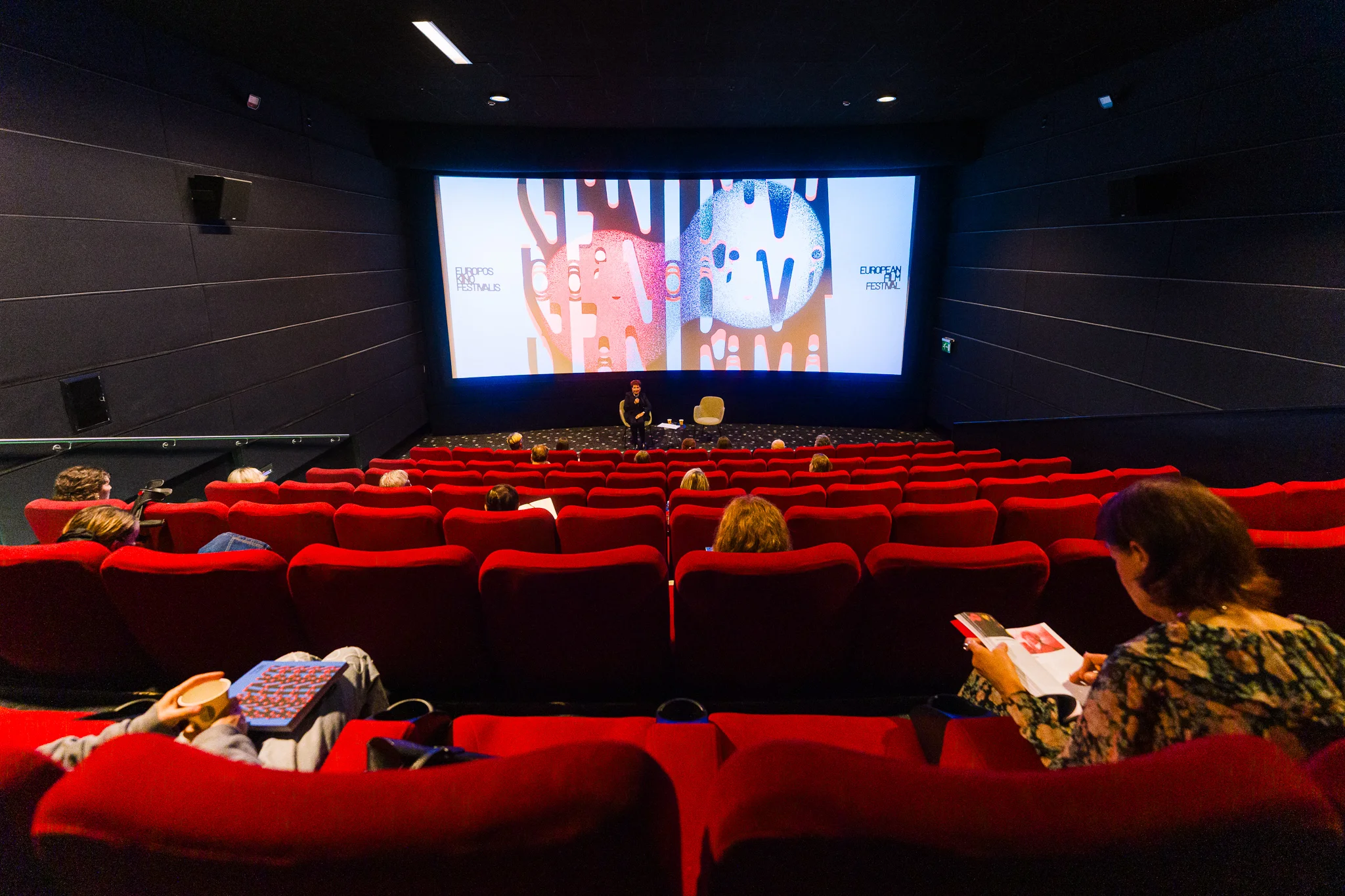

The European Film Festival Scanorama has unveiled this year’s program, featuring films by emerging directors—works distinguished by their unique artistic vision and recognized with awards at major international film festivals. The selection explores themes of authentic identity and the search for values amidst the fracturing of norms caused by universal tensions.
The festival will open with Everyone Digs Bill Evans by British director Grant Gee, which won the Silver Bear for Best Director at the Berlin International Film Festival. The film immerses the viewer in the dramatic and intoxicating inner world of one of the 20th century’s most gifted jazz pianists, revealing his inherent contradictions and psychological complexity. The festival will conclude with the feature film Vesna—directed by the Lithuanian-born Ukrainian filmmaker Rostislav Kirpichenko—which was presented at the Cannes Film Festival. The film ventures into the "gray zones" of evil, examining occupation as a landscape defined by shifting meanings and the quest to preserve human dignity.
"Today, cinema is becoming a kind of laboratory of humanity—a space where values are tested, preserved, or shattered. Time loses its significance; film narratives easily span centuries, bridging different eras and allowing us to view the complexities of human moral stance as a universal principle, relevant across all ages. Equally significant is the quest for personal and communal identity, which underscores the enduring importance of authentic life stories within both contemporary and historical narratives," explains Gražina Arlickaitė, founder and artistic director of the film festival, highlighting the core themes of the program.
Directorial and Acting Mastery: The Search for Authentic Identity and Moral Anchors
The backbone of this year’s program consists of films from major international festivals that, through diverse directorial and acting voices, explore questions of human identity and moral positioning. These themes are articulated with particular intensity from the perspective of the female experience. The film Rose—directed by Austrian filmmaker Markus Schleinzer and featuring a performance by the phenomenally talented Sandra Hüller (which earned her a Silver Bear at the Berlin International Film Festival)—serves as a striking ode to womanhood amidst the brutal, blood-soaked patriarchal history of humanity. The Blood Countess, a film by the grand dame of German cinema Ulrike Ottinger—starring the incomparable Isabelle Huppert—explores themes of identity and eternal life through an original interpretation of vampire myths, while paying homage to dark humor and Viennese architecture. This film inspired a new festival feature: "Gala" screenings—a staple at major film festivals—dedicated to the most prominent highlights of the program.
Austrian director Marie Kreutzer—a favorite among Scanorama audiences, whose film Corsage opened the festival’s 20th-anniversary edition—explores the boundaries of intimacy and inner darkness in her latest work, A Gentle Monster. The film poses the question: how well do we truly know the person we consider closest to us? It was presented in the competition program at the Cannes Film Festival and features memorable lead performances by two iconic actresses from different generations: Léa Seydoux and Catherine Deneuve. Another luminary of French acting, Juliette Binoche, steps into a new role—that of a director—presenting a documentary about In-I, a performance piece created in collaboration with choreographer Akram Khan. The film reveals the importance of inner courage and the significance of personal and creative bonds when venturing into uncharted territory. Audiences can admire her acting range in Lance Hammer’s film Queen at Sea, which explores the boundaries between care and control, intimacy and old age. The film was honored with a Silver Bear at the Berlin International Film Festival.
Kvinde Ukendt, a film by Danish director May el-Toukhy—winner of the Golden Lion at the Venice Film Festival—tackles the question of identity by juxtaposing personal and historical choices. French director Bérenger Thouin’s debut feature, The Golden Age—which blends contemporary footage with 20th-century archival material—brings a unique tone to this story of female emancipation. The film was included in the Cannes Classics program and presented at Il Cinema Ritrovato, a prestigious festival dedicated to archival and classic cinema.
In his latest film, Rocher Noir, the provocative French filmmaker Bruno Dumont explores a world of friendship, loyalty, and pain—at once childlike and universal—by drawing upon the timeless narrative arc of Romeo and Juliet. The film was presented as part of the Directors' Fortnight program at the Cannes Film Festival. Meanwhile, the enfant terrible of Romanian cinema, Radu Jude, explores the theme of emigration in his latest work, Le Journal d'une femme de chambre—employing his signature provocative style, yet with a more subtle and melancholic tone. The film was presented in the Cannes program "Directors' Fortnight."
Nordic Horizon: A Dialogue Between Cinema and Literature
The core of the "News from the North" program is formed by interpretations of works by two Nobel Prize laureates in Literature: Knut Hamsun and Jon Fosse. Norwegian director Hans Petter Moland—a familiar name to Scanorama audiences—transforms the complex, multi-layered text of Knut Hamsun’s novel Markens Grøde into a rich, compelling cinematic narrative. It explores the unity between humanity and the harsh natural world, unfolding against a backdrop of personal and historical confrontations. The film premiered at the prestigious Toronto International Film Festival.
Kjærast—a film by Norwegian director Erik Poppe (a frequent presence at Scanorama)—is a directorial interpretation of a screenplay written by Jon Fosse in 1988. Arriving on the big screen 40 years later, the film examines the fragility of human connection, the longing for fulfillment, and the unbearable loneliness that can exist even between two people. The film’s visual language echoes the minimalist tone of the original text, placing a special emphasis on pauses of silence and sparse dialogue.
Gæsten, the debut feature by Danish director Mads Mengel, engages in an indirect dialogue with the festival’s own history. It offers a unique continuation of Thomas Vinterberg’s The Celebration—a film that helped establish the artistic and ideological foundations of the Dogma 95 movement. The film lays bare destructive family dynamics while taking a close look at the subject of mental health. It won the Jury Prize and the Best Director award at the Karlovy Vary International Film Festival.
Main Competition: Artistic Maturity and International Acclaim
Designed to provide due professional attention and recognition to the first and second features of directors with a distinct personal style, this year’s "Scanorama" Main Competition presents films marked by artistic maturity and early international recognition. Der Heimatlose, by German director Kai Stänicke—winner of the Best Debut Film award at the Berlin International Film Festival—explores power dynamics within a community that shape an individual’s right to identity and memory. Low Expectations, a film by Norwegian director Eivind Landsvik—presented in the Directors' Fortnight section at the Cannes Film Festival—delves into the issue of nervous exhaustion that haunts the modern individual, offering a subtle reminder that excessive ambition is not worth the cost of one’s life.
Petty Thieves, the debut feature by Croatian director Mate Ugrin, examines the longing for a better future and the unseen side of the world of tourism. The film received the FIPRESCI Prize at the Karlovy Vary International Film Festival and has been hailed as one of the most notable films from the Balkan region this year. Under a Bad Star, a film by French directors Yann Berlier and Lola Cambourieu—presented as part of the Cannes Film Festival’s "ACID" program—takes a close look at the destructive dynamics of human relationships driven by a distorted conception of love. Shame and Money, the latest film by Kosovar director Visar Morina—a filmmaker well-known to "Scanorama" audiences—explores the ethical questions surrounding the preservation of honor in today’s capitalist world. The film was named the best film at the Sundance Film Festival.
Supporting Role, a film by Georgian director Ana Urushadze—which won a Special Jury Award at the Rotterdam Film Festival—reflects on the fragility of human existence through the lens of the ephemeral acting profession. In Do You Love Me?, Lebanese director Lana Daher, who works in France, utilizes archival footage to recount the painful and fragmented history of Lebanon, transforming the cinematic gaze into a means of preserving and reflecting upon her country’s experience. The Patron, a film by Swedish director Julia Thelin, constructs a psychologically tense narrative centered on manipulative power dynamics and the world of contemporary art, which is built upon them.
Paris Paris, a film by Belgian filmmaker of Lithuanian descent Isabelle Tollenaere—which premiered at the Karlovy Vary International Film Festival—weaves a narrative with a unique atmosphere centered on the concept of "home," posing the question: what constitutes a home in a fast-paced, ever-changing world? With his feature-length documentary debut, I Want to Be Human, Rinaldas Tomaševičius ventures into the margins of society and the reality behind prison bars. The director sensitively and meticulously peels back the layers of the harsh textures of life on the fringes, revealing a simple truth: that even in the most hopeless of circumstances, humanity remains the most righteous choice. This year, the European Film Festival
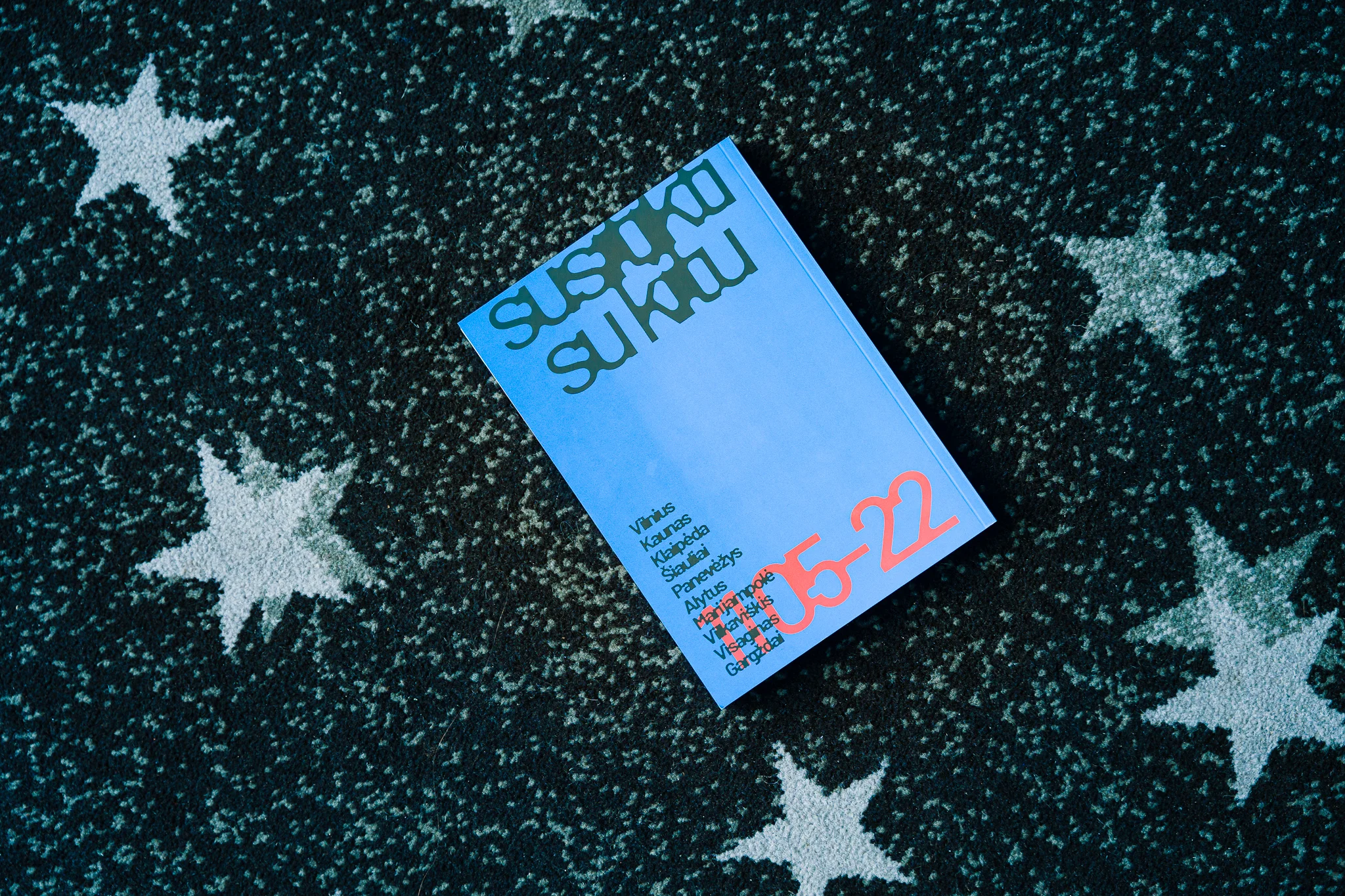
"Scanorama" will take place from November 5 to 22 in Vilnius, Kaunas, Klaipėda, Šiauliai, Alytus, Panevėžys, Marijampolė, Visaginas, Vilkaviškis, and Gargždai. For more information, visit scanorama.lt.