
by Rahel Jung, during the MIOB LAB of Cultural, Creative and Festival Journalism at the European Film Forum Scanorama
Flickering Super 8 recordings of a little girl open Ptitsa (Poland, 2022). The girl — now a 67-year-old woman — is heard speaking to her own daughter. "Our memory is a nightmare“, she says later in the film. And yet remembrance seems to be the protagonist`s source of strength; even for the future.
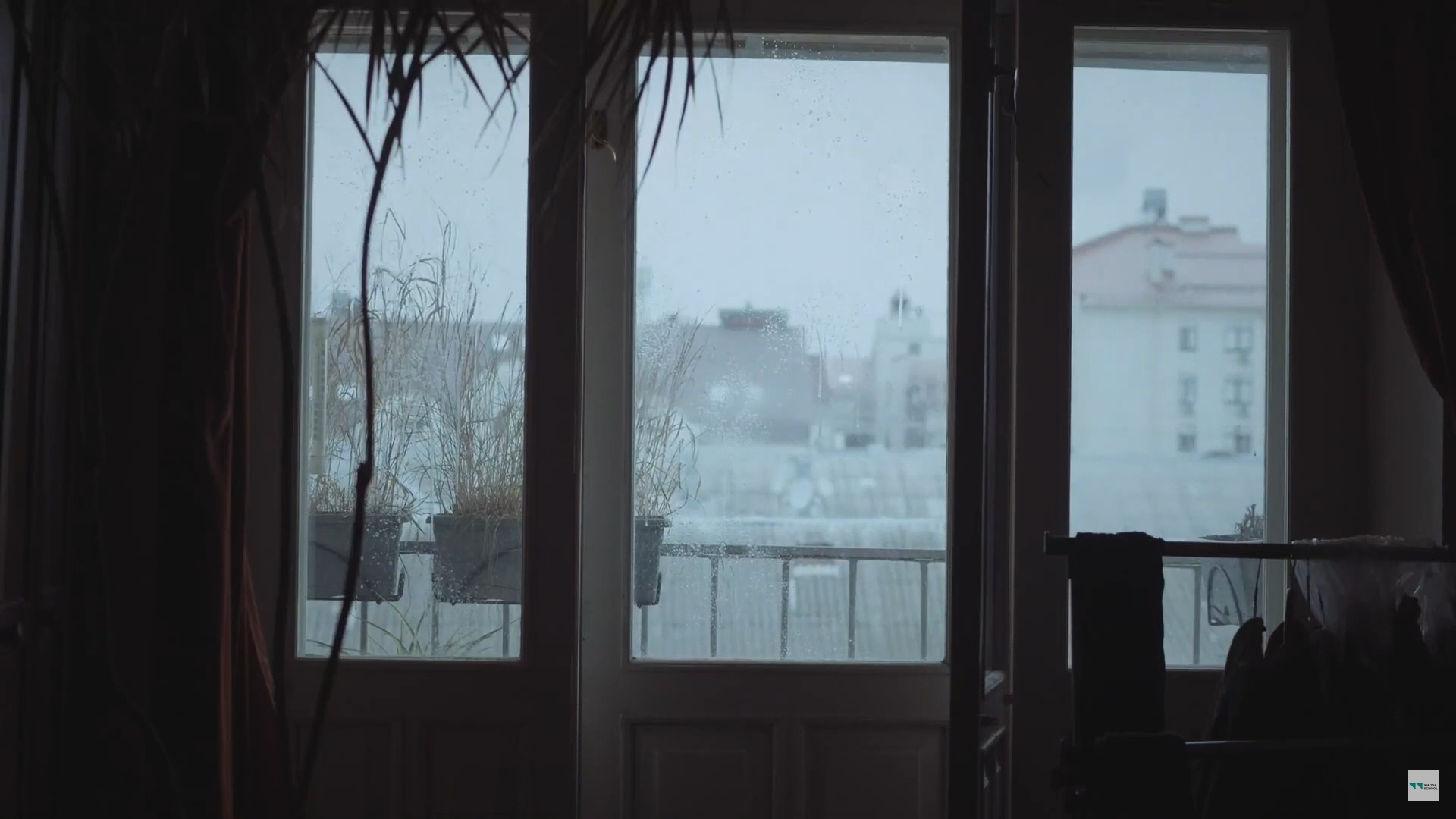
With her first film, Ukrainian painter Alina Maksimenko creates a subtle and personal double portrait of her mother Tatiana and herself. Shown in the section “Glimpses of Europe“ at the Scanorama Film Festival in Vilnius, Lithuania, this 30-minute documentary takes the audience to an apartment in Kyiv during the strict COVID-19 lockdown.
With cinematic sensitivity the director carefully explores the boundaries of human relationships and their wounds. On one hand, there is the conversation between Maksimenko and Tatiana, a rapprochement following a period of semi-estrangement a silence. On the other, there are phone calls with Inna, whose daughter Katya just died in a motorcycle accident.
Katya was a childhood friend of the director and the latter searches for consolation in recalling a story from the past. With her documentary, Maksimenko tells the story of finding one way out of the past into the future — and this in a time of pure stagnation. “I think it is time for a change,“ she tells her mother when carefully announcing her wish to move out of the apartment — in which they have lived together for many years.
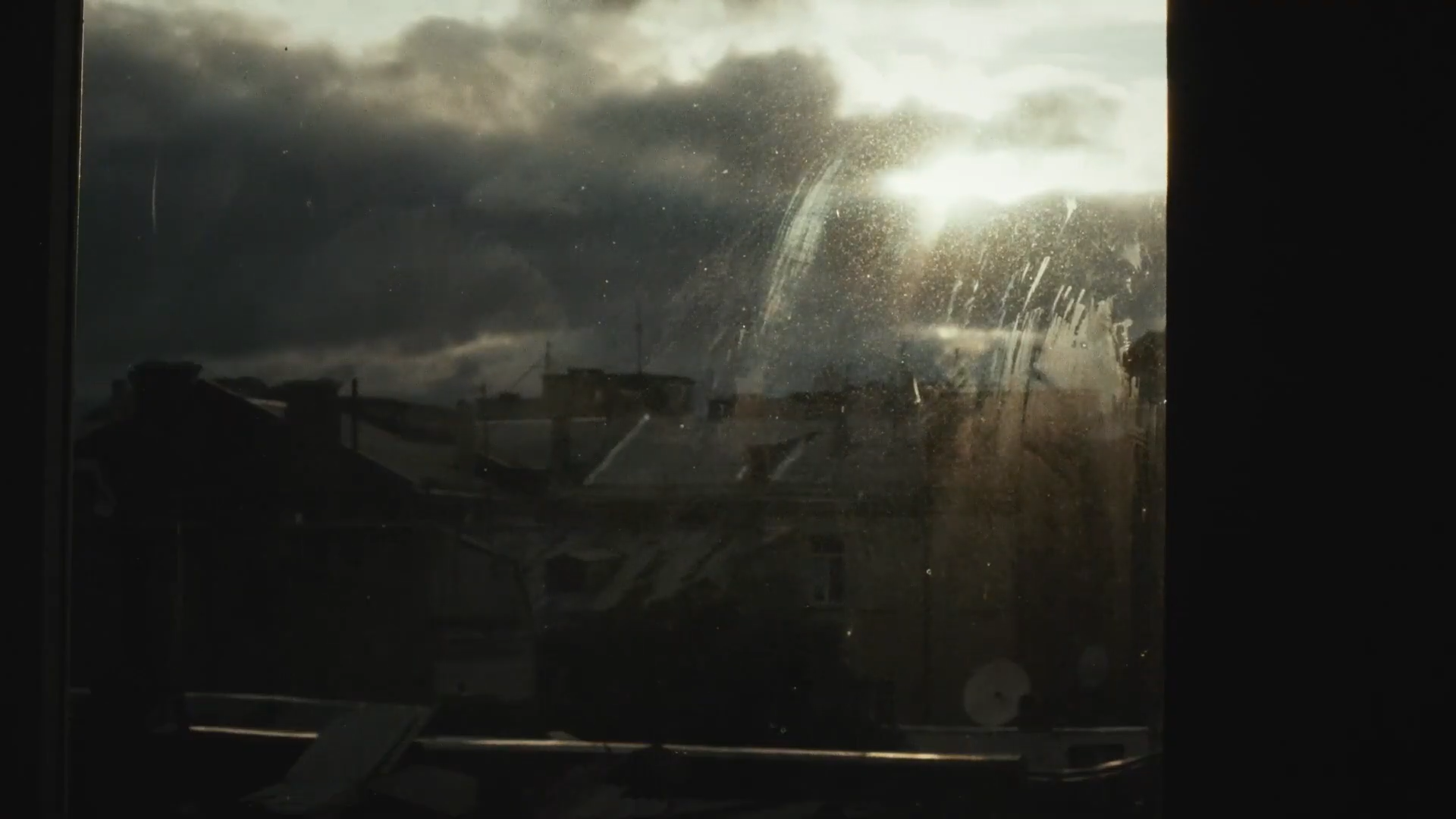
This everyday life in an exceptional state is depicted by Maksimenko herself in cold but beautifully composed images. Finding a particularity in each frame, her visual language is captivating without being intrusive or over-aestheticised. The absence of a third person behind the camera and therefore an observing human being, seems to contribute to the documentary`s high level of intimacy.
The protagonists might move out of sight or be out of focus: nevertheless, their stories, feelings and ways of coping with the difficult situation are always central. And therefore we want to continue seeing Tatiana giving via video-call private piano lessons and know that the flat's dripping boiler is finally repaired.
Looking back, knowing that this time period prefaced the arrival of war, there is still hope that Tatiana has found some answers to her "eternal worries”. And perhaps the filmmaker could somehow get a little closer to the free-flying birds visible outside the flat's windows which give Ptitsa its title.