As the European Film Festival „Scanorama“ approaches, its founder and artistic director Gražina Arlickaitė is once again sharing her personal recommendations, inviting audiences to encounter another on the big screen. From masters who triumph at major film festivals to emerging filmmakers with distinctive artistic styles, from powerful portraits of women shaped by directing and acting to diverse quests for an authentic life.
Gražina Arlickaitė, a candidate for this year’s Lithuanian National Prize for Culture and Arts, invites us to step boldly into the laboratory of humanity in the cinema and take a closer look at people’s choices, the inner and outer contradictions that accompany them, and the broad spectrum of emotions.
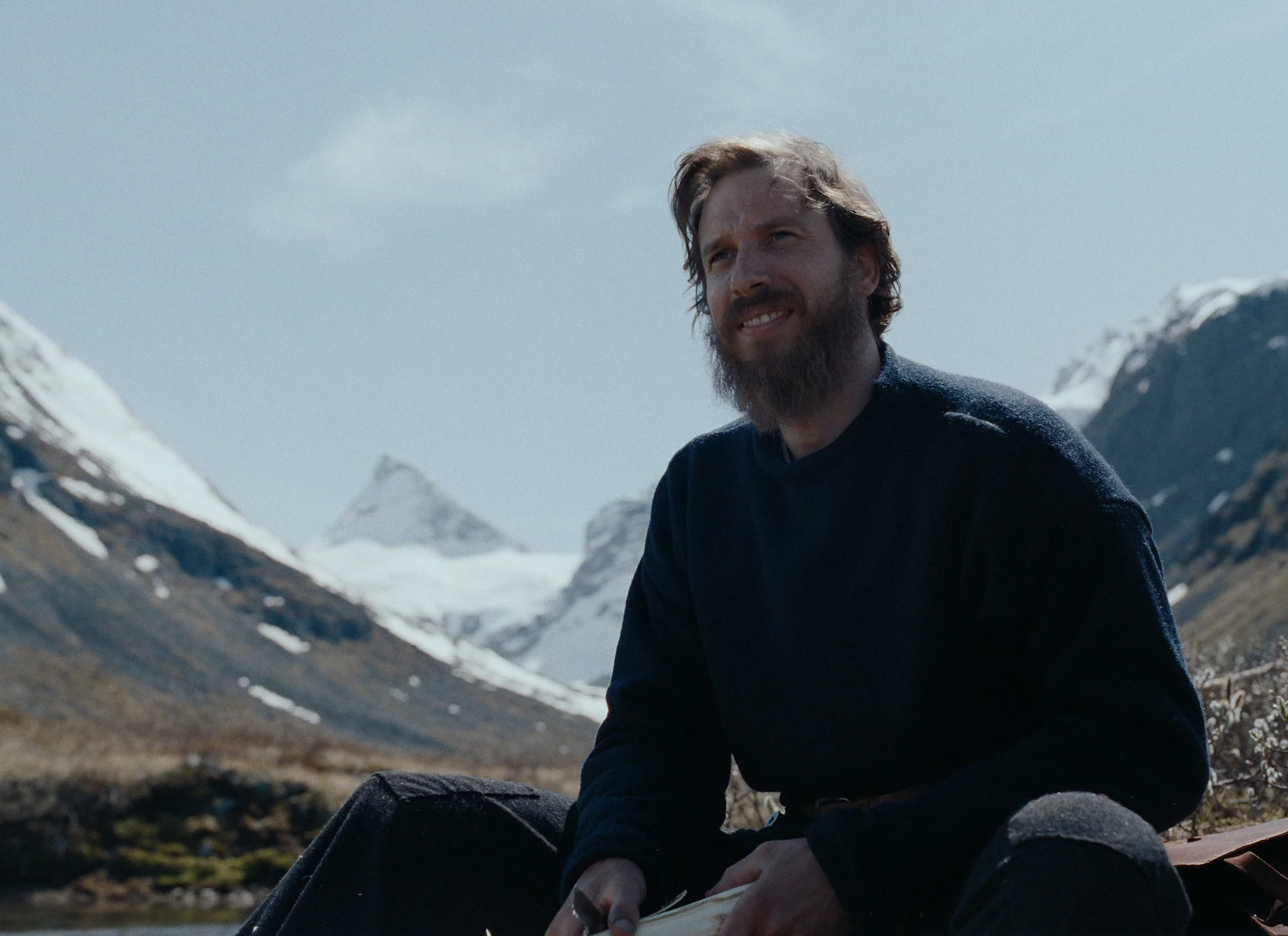
Growth of the Soil, dir. Hans Petter Moland
Northern Norway in the 20th century. The loner Isak has nothing but the determination to build a life for himself. High among the trees, he finds a patch of barren land where he wants to establish a farm. Though the land wears him down, it also gives him hope. Inger, a quiet and strong companion, comes to his aid. Despite the constant struggle against the harsh yet magnificent natural world, life for the couple is clear and simple. But the modernizing world and historical changes begin knocking at the door of their isolated home, while the hardships of everyday life and human frailties start to transform their shared existence. Thanks to the mastery of Hans Petter Moland and a superb ensemble cast, the Nobel Prize-winning novel Growth of the Soil (1917) by Knut Hamsun has become a universal and timely story about the bond between humanity and nature, the weight of dramatic experiences, and inner strength. Growth of the Soil is Norway’s Oscar entry.
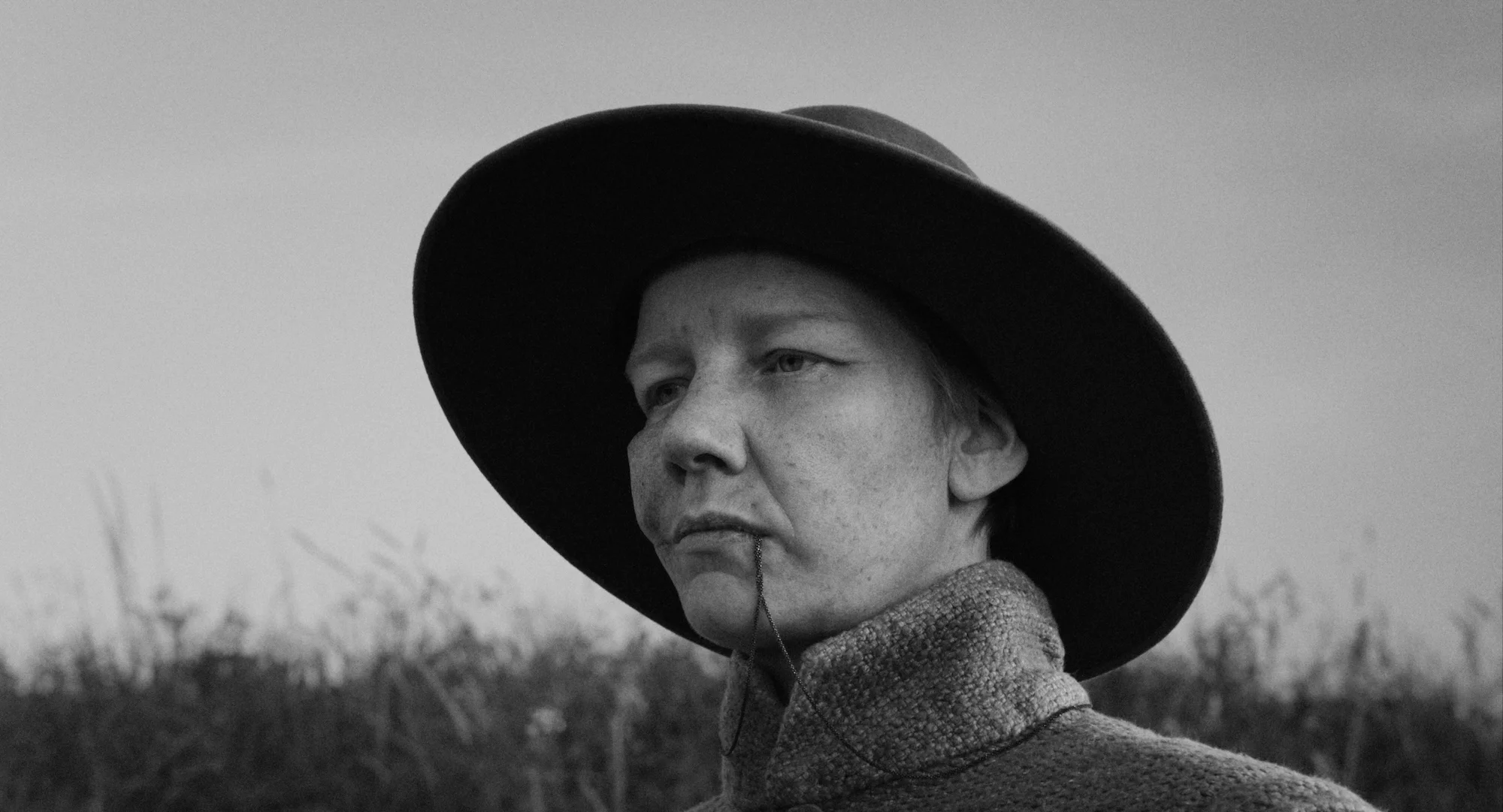
Rose, dir. Markus Schleinzer
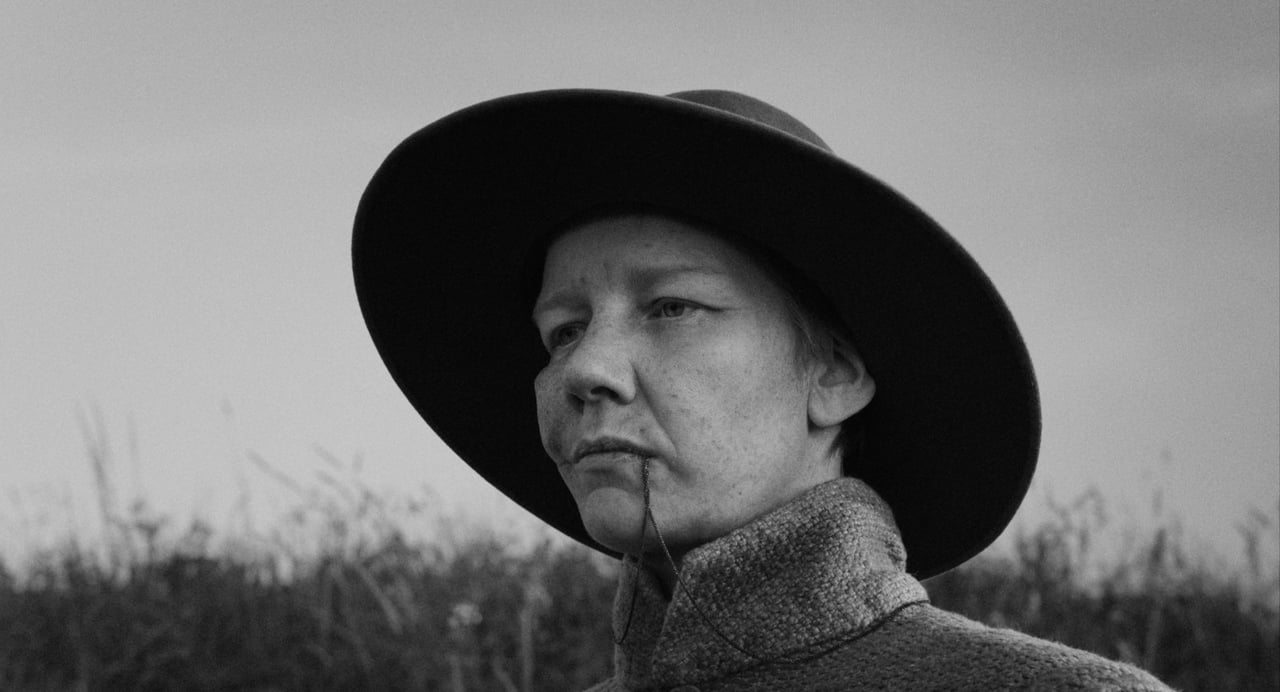
17th-century Germany. A soldier with a face crisscrossed by scars appears in a Protestant village. The newcomer shows the villagers documents proving that he is the heir to a long-abandoned farm, and settles there despite their suspicions. In time, he wins their favor through his piety, courage, and honest work. But good deeds alone are not enough: the locals pressure him to start a family and have children. The soldier is hiding a secret—he is a woman pretending to be a man. This dramatic yet ironic film is an ode to women in the patriarchal, blood-soaked history of humanity, full of mysterious silences. For her leading role, the phenomenal Sandra Hüller won the Silver Bear at the Berlin Film Festival.
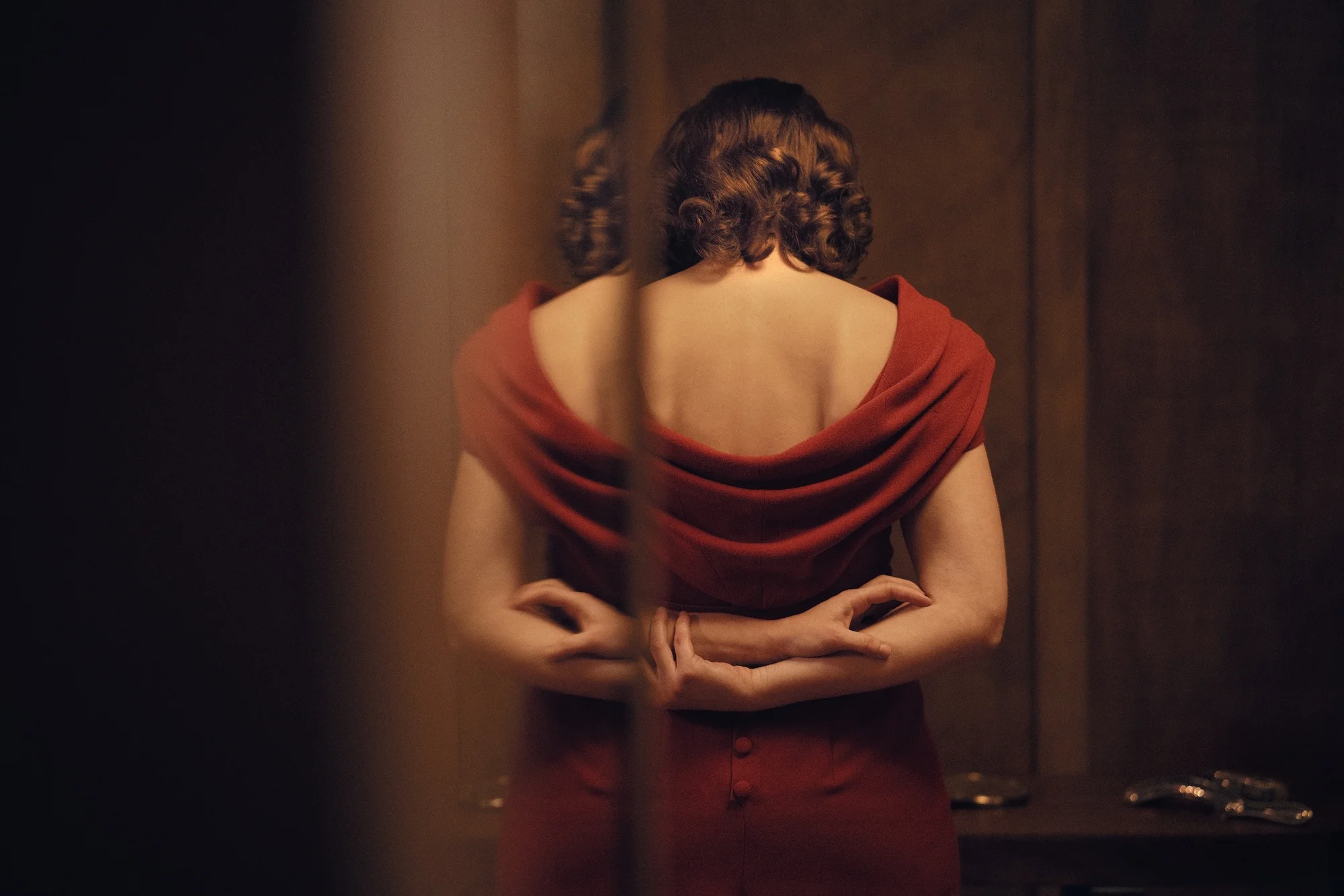
Woman Unknown, dir. May el-Toukhy
Marie is a young nanny and maid preparing to marry Christian, the wealthy older widower for whom she works. But Marie is hiding a shameful secret. During the Second World War, she had an intimate relationship with a German soldier. Now her past threatens to catch up with her, and she is forced to do whatever it takes to preserve her new status as a lady of the house amid the chaos of the postwar years.
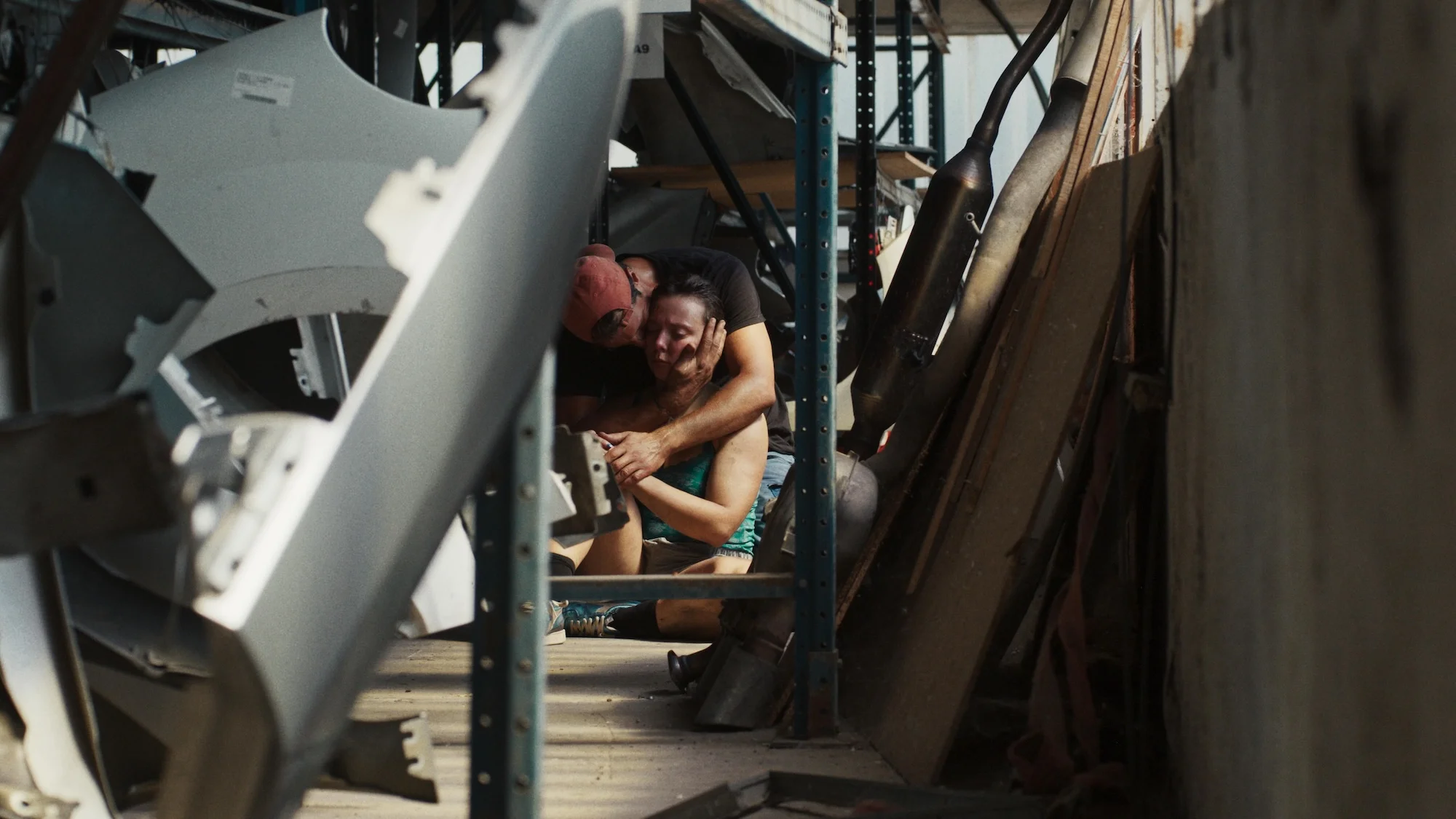
Under A Bad Star, dir. Lola Cambourieu, Yann Berlier
What at first seems like an ordinary day for a family in southern France gradually reveals itself in Under a Bad Star as the everyday reality of relationships steeped in anxiety, anger, and the emotional and physical violence that follows. Kiki and her partner Alex are trapped in a paralyzing cycle of action and reaction, driven by a distorted, reality-detached idea of love. The couple’s young daughter Malone becomes a witness to this relationship drama: over 24 hours, she observes Kiki’s emotional journey as she navigates the twists and turns of pain, passion, confusion, tenderness, and despair.
Queen at Sea, dir. Lance Hammer
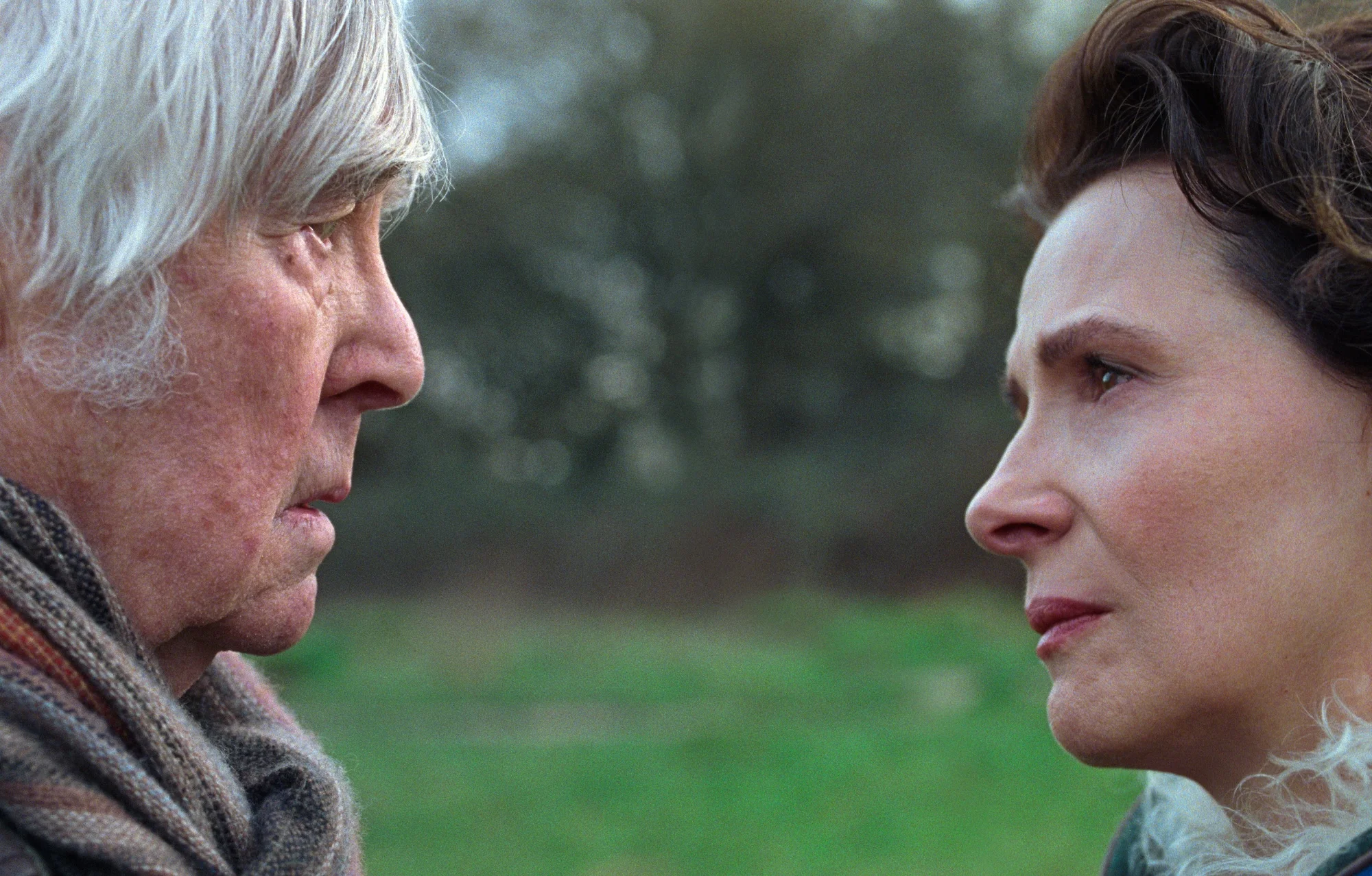
Amanda catches her stepfather, Martin, having sex with her mother, even though she is convinced that, because of her dementia, her mother can no longer give informed consent. But who is responsible for a woman’s decisions and body in such a situation? Who is safest for someone with dementia to be with: their child, partner, or institutional caregivers? When social services intervene, a moral conflict erupts between Amanda, compellingly played by Juliette Binoche, and Martin, as the line between care and control becomes increasingly blurred. A painful, complex drama steeped in healthy realism, about intimacy and ageing, it won the Silver Bear at the Berlinale.
The Blood Countess, dir. Ulrike Ottinger
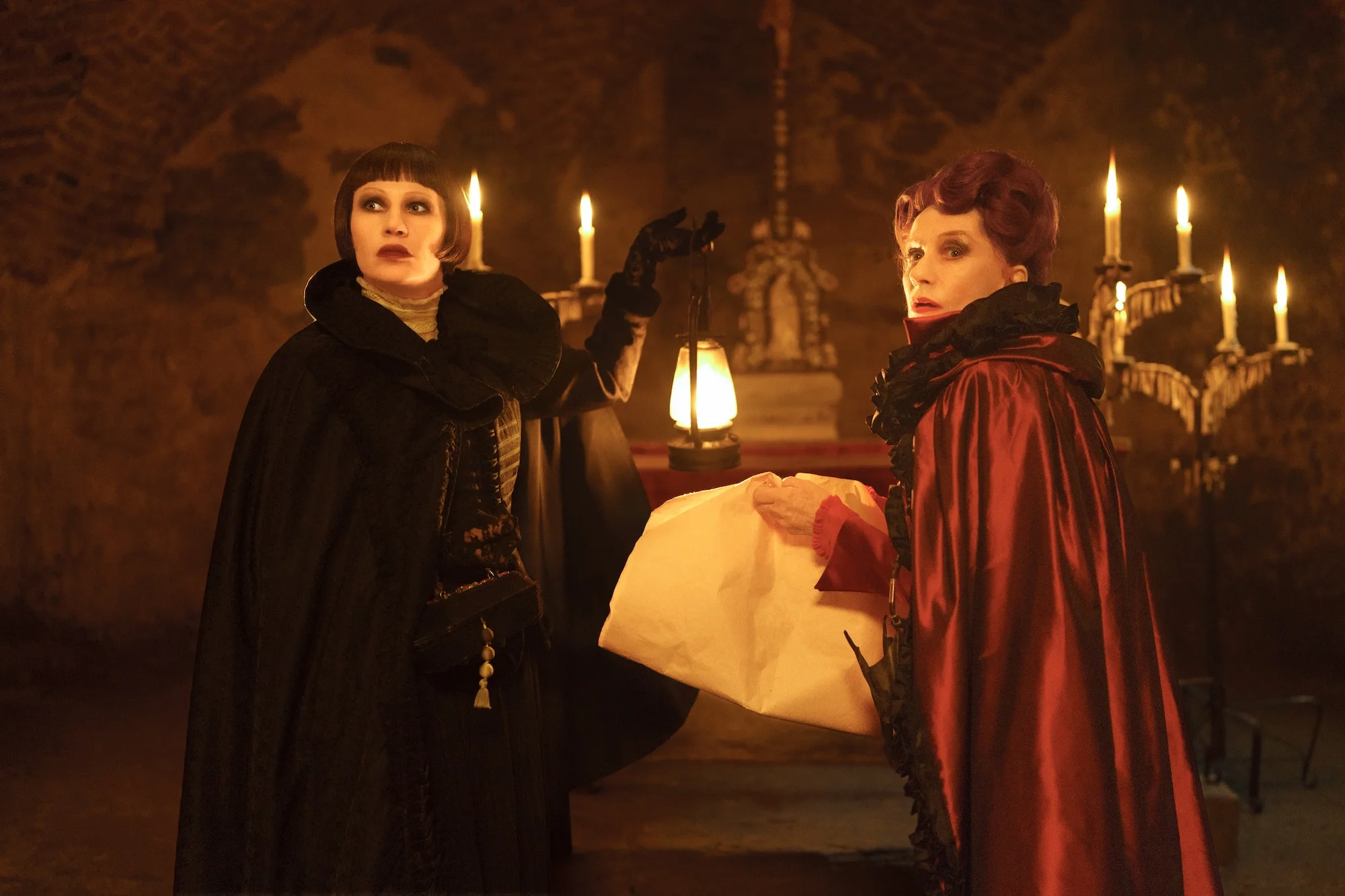
German cinema legend Ulrike Ottinger offers a distinctive, ironic take on the vampire myth, with Isabelle Huppert as the hedonistic vampire Countess Erzsébet Báthori, who delights in a life of eternal beauty. Every 25 years, she awakens from a deep sleep and horrifies Austria with new victims. This time, in addition to the delicious red elixir, she wants to find and destroy a book which, according to legend, has been soaked in a vampire’s tears and can turn a vampire into a human. Accompanied by her loyal servant Hermine, she sets out in search of the dangerous book, which has the power to destroy all evil—including vampires like herself. The ladies enlist the help of the Countess’s melancholic vampire nephew and vegetarian, Rudi Bubi, and his psychotherapist; as their search moves to Bohemia, their circle grows even larger. Ulrike Ottinger offers an original interpretation of the vampire myth as a lavish adventure story, full of macabre black humor and a love of Viennese architecture.
Everybody Digs Bill Evans, dir. Grant Gee
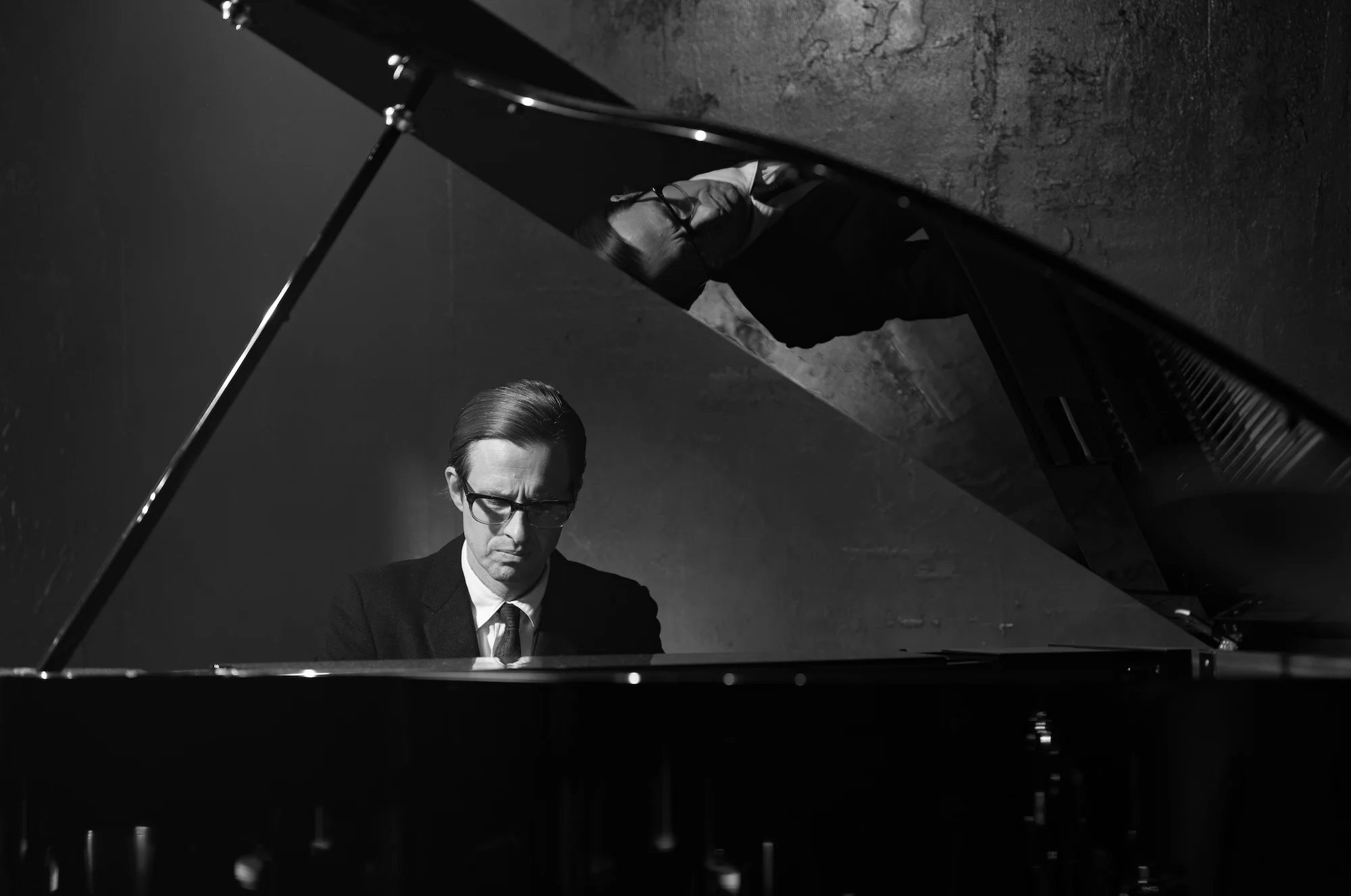
“Even a pause is music,” understands Bill Evans, one of America’s most talented jazz pianists of the 20th century. In 1961, after recording one of the most celebrated jazz albums, he learns a few days later that a fellow musician and friend has died in a car accident. Evans stops playing and leaves New York, fleeing not only heroin but also unhappy relationships. The film is based on Owen Martell’s novel Intermission, which transports us to the dark bars and living rooms of New York, and portrays Evans as if he were a ghost. Moving between present and past, sobriety and intoxication, the film reveals the melancholic drama of the artist’s inner world with depth and subtlety. At the Berlinale, the film won the Silver Bear for Best Director.
The Patron, dir. Julia Thelin
A housekeeper dreams of escaping her routine and living a more meaningful life. One day, pretending to be an art patron, she invites two art students into her employer’s empty home. Seduced by her newfound power, she becomes increasingly entangled in her deception, and what began as an innocent game brings not only excitement but also more serious consequences. This thriller, evoking the psychological tension of films by Haneke, Lanthimos, and Polanski, sharply criticizes the elite, highly hierarchical art world, where the desire for success makes it all too easy to manipulate other people’s dreams. The film was presented at the Göteborg Film Festival.
Everytime, dir. Sandra Wollner
Jesse is packing suitcases with her family for a trip to Tenerife, but on the eve of their holiday, the girl dies tragically. A year later, the pain has still not eased: her mother, sister, and boyfriend each try in their own way to come to terms with their grief. Tormented by their loss, they set off on the trip that never happened. Under the Tenerife sun, memories of the past come alive and begin to heal them. The film masterfully weaves together present and past, and the experiences of loss, guilt, and responsibility. The director calls her screenplay “a gentle slip into surrealism, while still holding firmly to reality,” and the film’s fitting atmosphere was created by Gregor Oke, cinematographer of the acclaimed Aftersun. This film, with its original structure, won Sandra Wollner the Best Film award in the prestigious Un Certain Regard section of the Cannes Film Festival.
Narciso, dir. Marcelo Martinessi
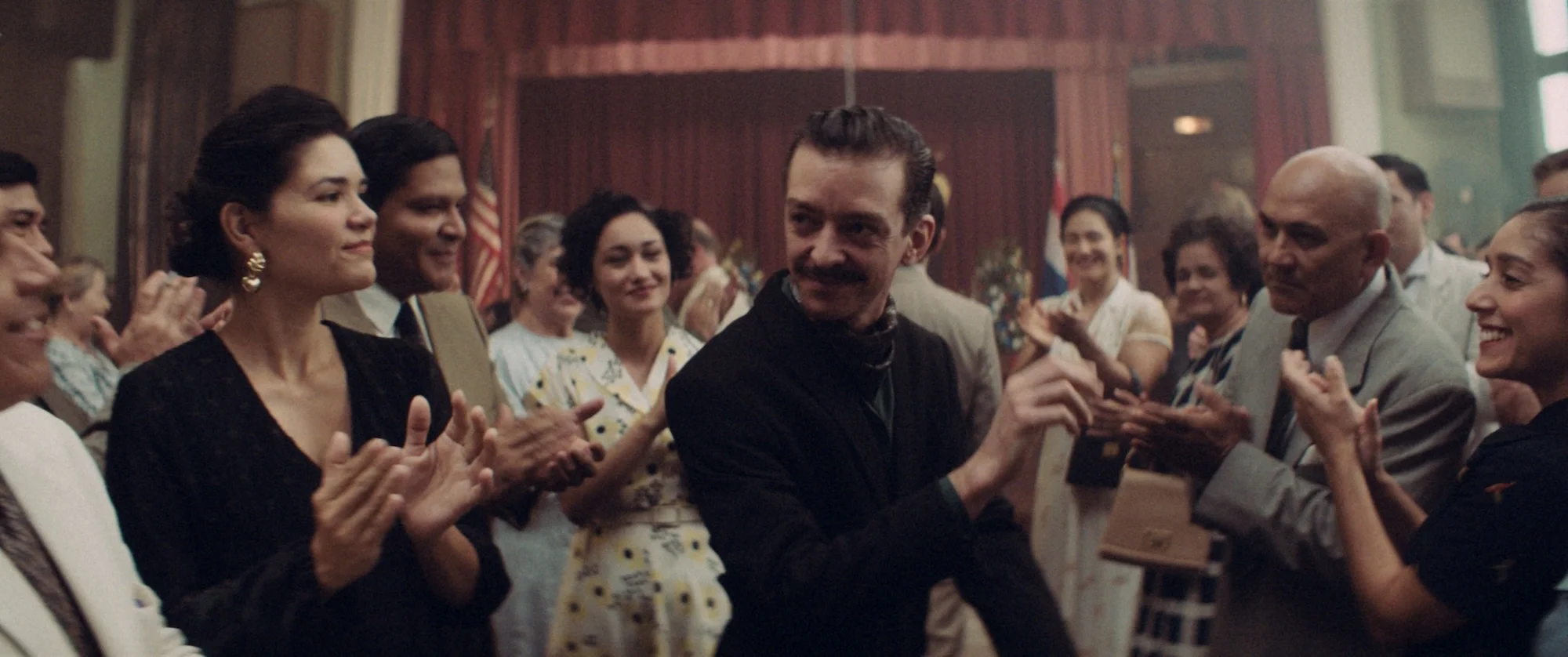
Paraguay, 1959. As the country lives under military dictatorship, rock ’n’ roll fan Narciso returns from Buenos Aires to work at a radio station, introducing listeners to entirely new music. Neither men nor women can resist the charming music lover, who becomes not only a radio sensation but also a symbol of liberation. After his final broadcast, Narciso is found dead. Is it possible to find out how it happened and who is responsible in a country suffocated by a regime built on control, violence, and fear? Based on the life of radio presenter Bernado Aranda, the film won the prestigious FIPRESCI Prize at the Berlinale.