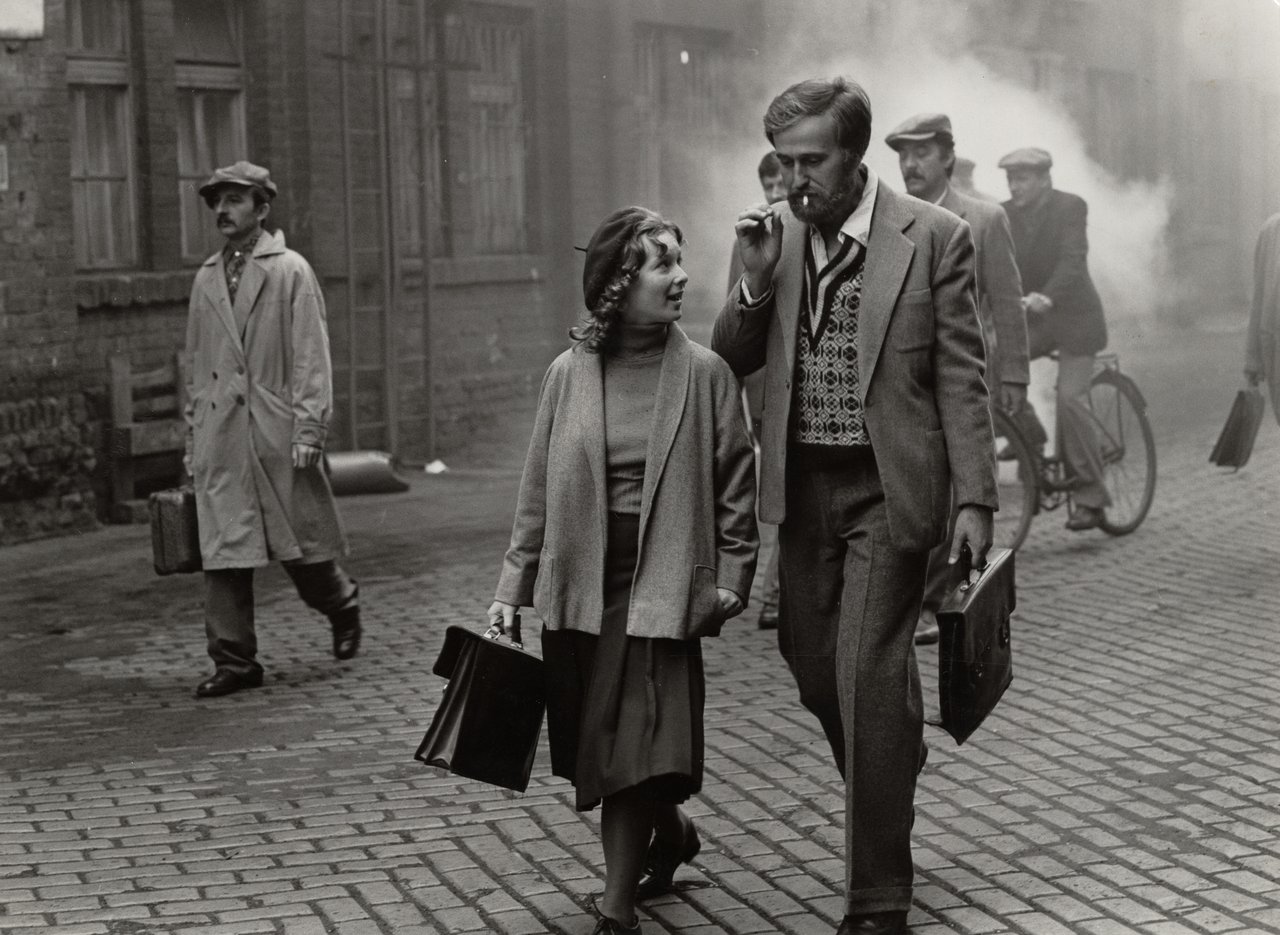
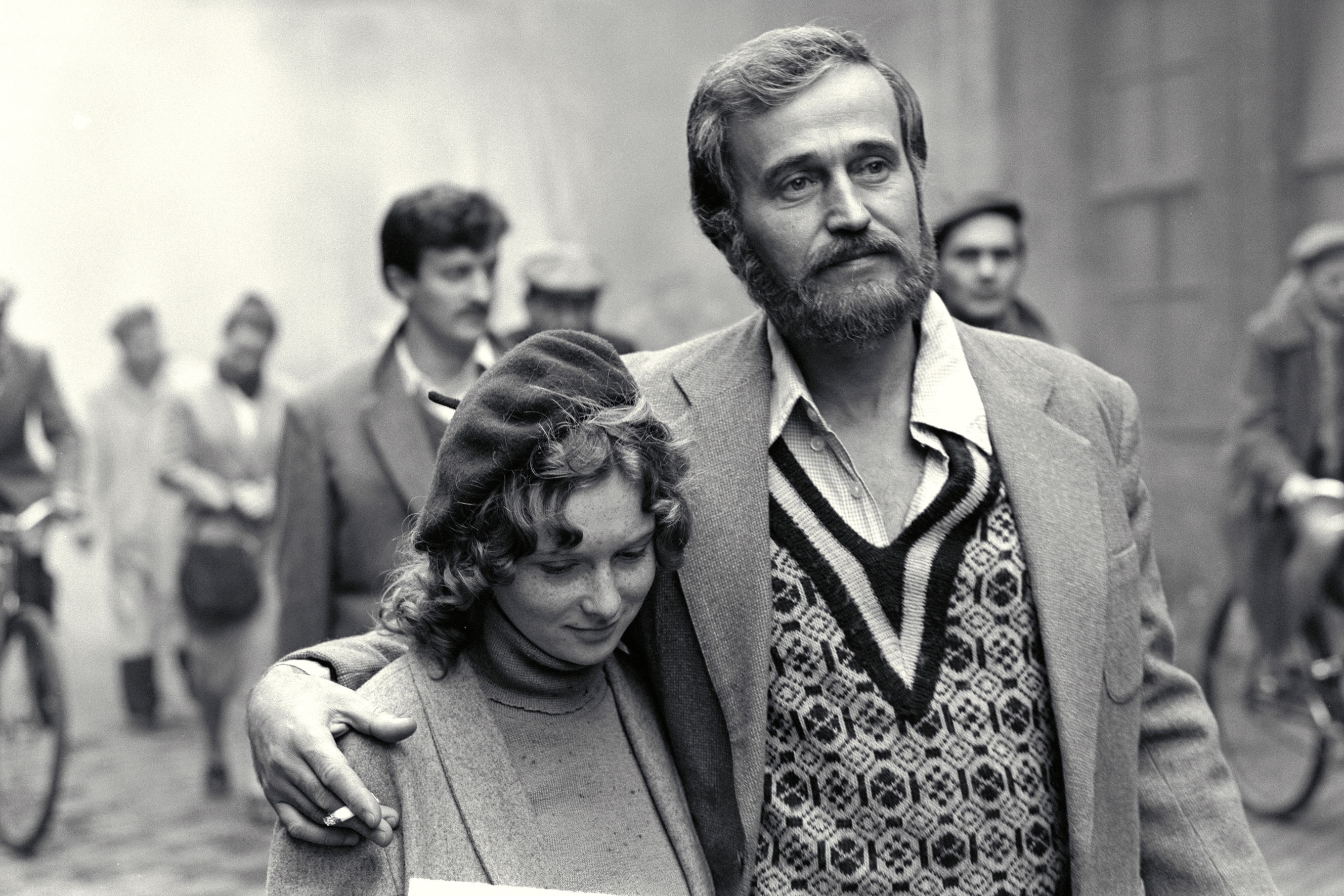
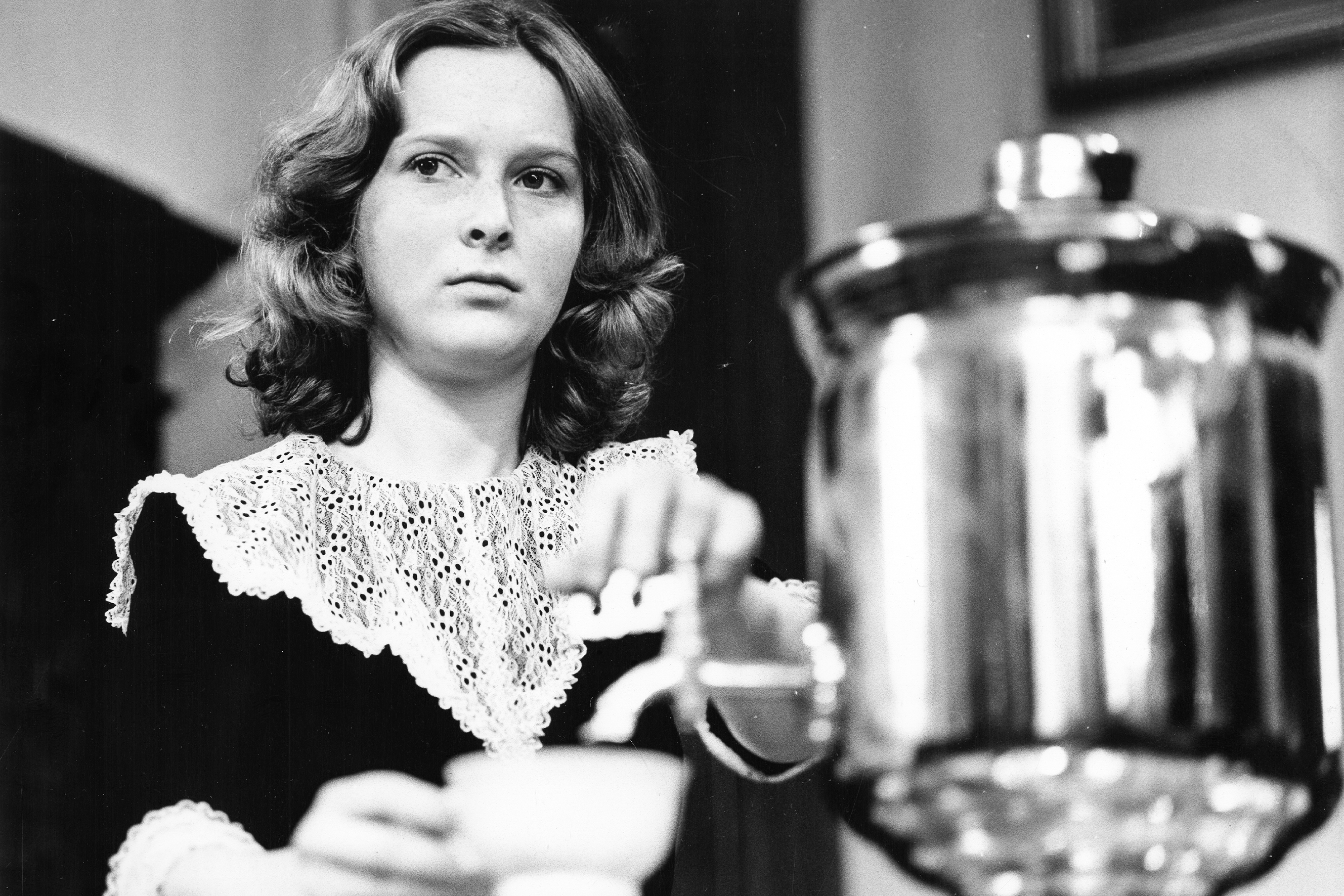
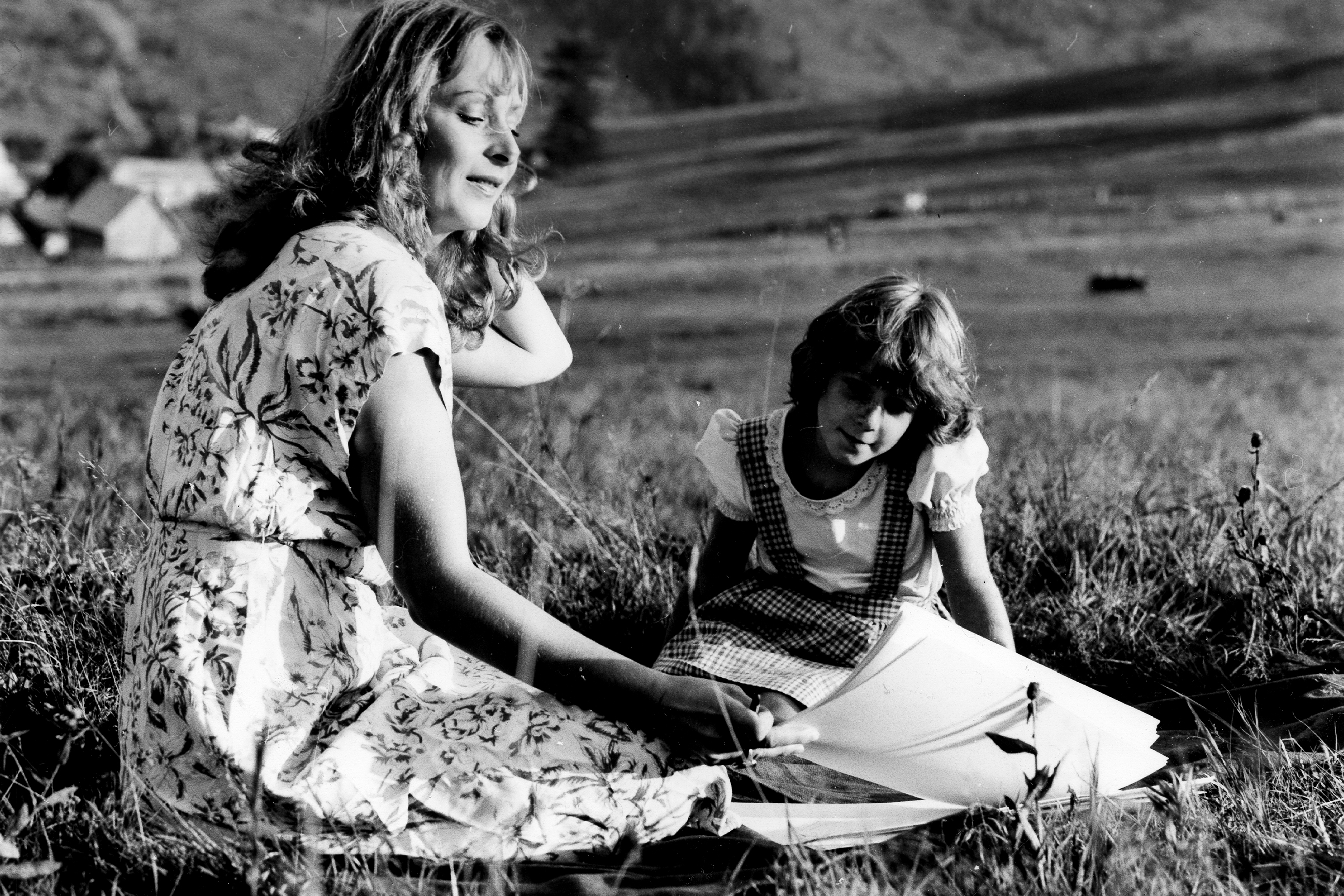
Márta Mészáros spent her childhood in the Soviet Union, where her communist father had moved the family to escape the authoritarian regime in his native Hungary. He disappeared during Stalin’s purges in the late 1930s, and Mészáros lost her mother soon afterwards. These early tragedies profoundly shaped the autobiographical strand of her work. After graduating from film school in Moscow, she returned to Hungary and made numerous short films, most of them documentaries. This documentary sensibility would remain evident in her later work. In 1958, she joined Mafilm as a short-film director and married filmmaker Miklós Jancsó. In 1968, she became the first woman in Hungary to direct a feature film with The Girl. She later made her autobiographical Diary trilogy, confronting censorship while continuing to address pressing social issues. Mészáros gained international recognition in 1975, when Adoption won the Golden Bear at the Berlinale. Political, feminist and formally daring, her films earned acclaim from critics and audiences alike, establishing her as one of the leading figures of Eastern European cinema. In 2021, she received the European Film Academy’s Lifetime Achievement Award.